In-Depth Guide
The Complete Guide to Inventory Integration
Our team has written a comprehensive guide covering technical specs, best practices, and the exact approaches we use on every project.
Ecommerce inventory integration usually becomes urgent the first time you sell the last unit of a product twice in one afternoon. One customer gets their order, the other gets an apology email and a refund, and neither of them feels particularly good about your business afterwards.
We hear this exact scenario from multichannel sellers more often than you’d think. Nobody plans to oversell. It just happens quietly, one manual stock update behind the actual sales, until a busy Saturday exposes the gap all at once.
Ecommerce Inventory Integration: The Direct Answer
Here’s what UK sellers need to know before trying to fix this themselves.
| Question | Answer |
|---|---|
| What causes overselling across channels? | Stock levels updated manually or on a delay, rather than synced in real time |
| Can Shopify and Amazon stock be synced? | Yes, through proper API integration connecting both platforms directly |
| Can WooCommerce connect to marketplaces? | Yes. WooCommerce can integrate with Amazon and other marketplaces via API connections |
| What is order routing? | Automatically directing an order to the correct fulfilment location based on stock and rules |
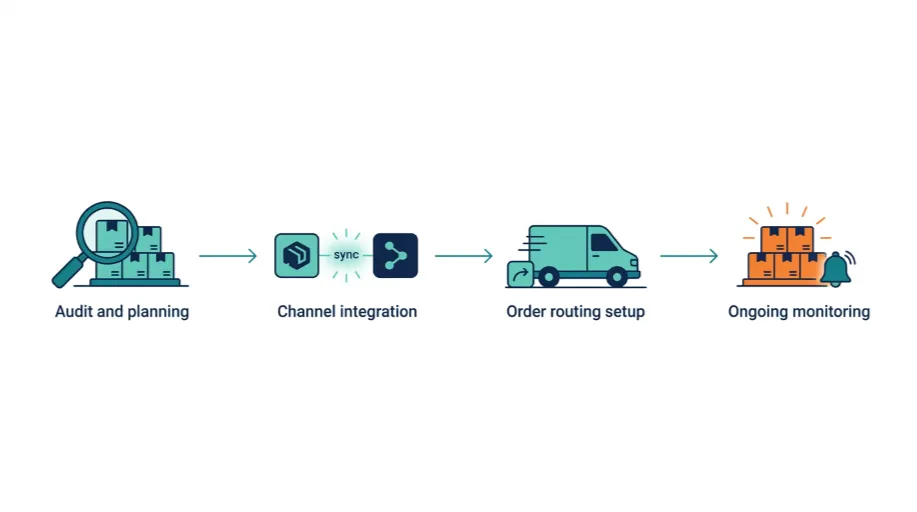
| How long does integration take? | Around two to three weeks, covering audit, sync setup, routing and testing |
| Does this replace my ERP system? | No. It typically connects to your existing ERP or accounting software rather than replacing it |
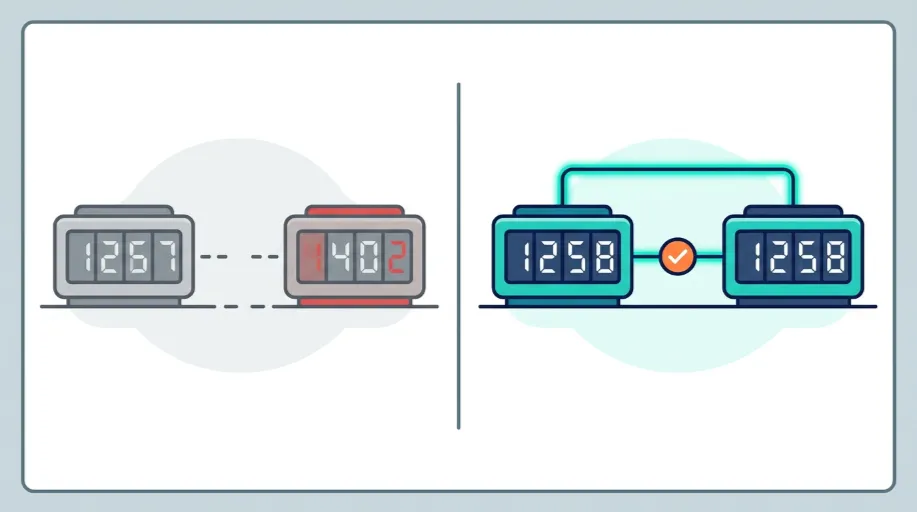
That first row is really the whole problem in one sentence. Every gap between a sale happening and stock reflecting that sale everywhere else is a window where overselling can occur.
Why Manual Stock Updates Always Break Eventually
In our testing across multichannel client setups, the pattern is remarkably consistent. A business starts on one channel, where stock management is simple. They add a second channel, maybe Amazon alongside their existing Shopify store, and someone starts manually updating both each evening. It works fine, right up until a product suddenly sells faster than expected.
We worked with an outdoor equipment retailer in the Southwest who were updating stock counts between Shopify and Amazon every evening without fail. It still wasn’t enough. Weekend traffic consistently outpaced their manual update schedule, and they were overselling regularly, several times a month, always during their busiest selling windows. Connecting the two platforms properly, so stock synced the moment an order came through anywhere, closed that gap. The overselling stopped because there was no longer a delay for it to happen in.
That’s genuinely the difference between managing inventory manually and having it properly integrated. One relies on human timing. The other simply doesn’t have a delay to exploit.
What Actually Needs Connecting
Proper inventory integration covers more ground than most sellers initially expect.
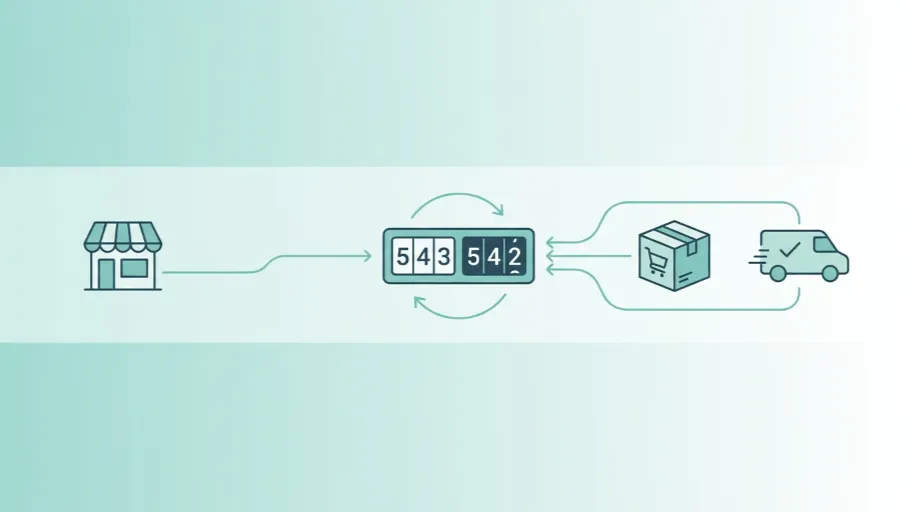
- Real-time stock sync between every storefront and marketplace you sell through, updating the instant a sale happens rather than on a scheduled delay
- Order routing rules directing each order to the right fulfilment location, whether that’s an in-house warehouse, a 3PL partner, or a specific retail store
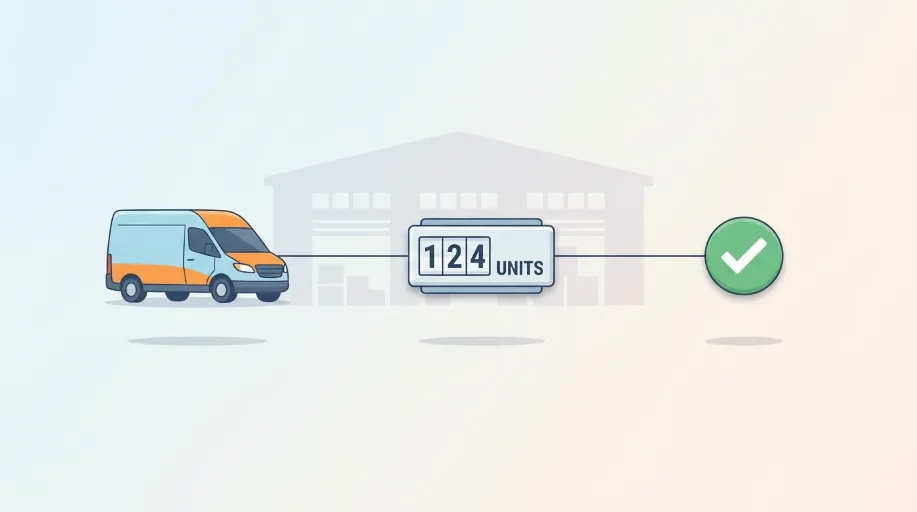
- 3PL fulfilment API connections feeding shipping updates back into your stock system automatically, so a warehouse pick doesn’t create a mismatch elsewhere
- Low stock automation flagging products before they run out, based on genuine sales velocity rather than a static number nobody’s revisited in months
- SKU and variant matching across platforms, since a product with five variants needs every single one tracked correctly, not just the parent listing
- ERP or accounting integration where relevant, connecting your inventory system to the financial side of the business rather than treating them separately
Miss any one of these and the sync ends up partial, which in practice often means the problem simply resurfaces somewhere else in the chain.
Where the Storefronts Themselves Fit In
Integration works best when the underlying storefronts are actually built properly to begin with. A Shopify store with a messy product catalogue, inconsistent SKUs, or badly configured variants makes accurate syncing much harder than it needs to be.
If your Shopify store needs proper structure or a build from scratch, our Shopify Development service covers that foundation. Getting the product catalogue right at the platform level makes everything downstream, including inventory sync, considerably more reliable.
The Same Applies to WooCommerce
WooCommerce sellers face a similar challenge, especially when connecting to marketplaces or a separate warehouse system. The plugin ecosystem around WooCommerce is extensive, but not every combination of plugins actually talks to each other cleanly, which is often where sync issues quietly originate.
Our WooCommerce Development service builds and configures your storefront properly. This gives you a solid base to sync from. It also avoids a patchwork of plugins fighting in the background.
Amazon Adds Its Own Layer of Complexity
Selling on Amazon alongside your own storefront introduces requirements that go beyond simple stock counts. Amazon has its own rules around fulfilment method, listing accuracy and Buy Box eligibility, all of which interact with how your stock is actually managed behind the scenes.
Amazon visibility and inventory sync are separate pieces of work, but they benefit from being considered together, since a listing that’s perfectly optimised but frequently out of stock loses ranking momentum regardless of how well it was written. Our Amazon SEO service covers that side properly.
What This Actually Solves in Practice
None of this is about adding complexity for its own sake. It’s about removing the manual steps where human timing becomes the weak point in an otherwise functioning business. A sale happening at eleven at night should update stock everywhere immediately, not wait for someone to log in and check the next morning.
Getting this right means fewer refunded orders, fewer apologetic emails to disappointed customers, and considerably less time spent manually reconciling numbers across platforms that should simply agree with each other in the first place. That’s the entire point: stock and orders staying genuinely in sync, without anyone needing to check.