Skip to content
Harwick Motor Group  case study — Web Ranko
  1. Home
  2. Case Studies
  3. Harwick Motor Group
Local SEO Case Study

SEO for Car Dealership UK: How Harwick Motor Group Broke Free From Paid Ads

3x organic website traffic and 67% more test drive bookings for a Leicester used car dealer

Harwick Motor Group Automotive / Used Car Dealership Leicester, UK 8 months
3x
Organic traffic growth
67%
More test drive bookings
8 Months
Time to results
Top 3
Automotive local pack position

Get your free consultation

Tell us about your project — we'll respond within 48 hours with honest advice.

No spam. No sales pitch. Just honest advice.

Harwick Motor Group

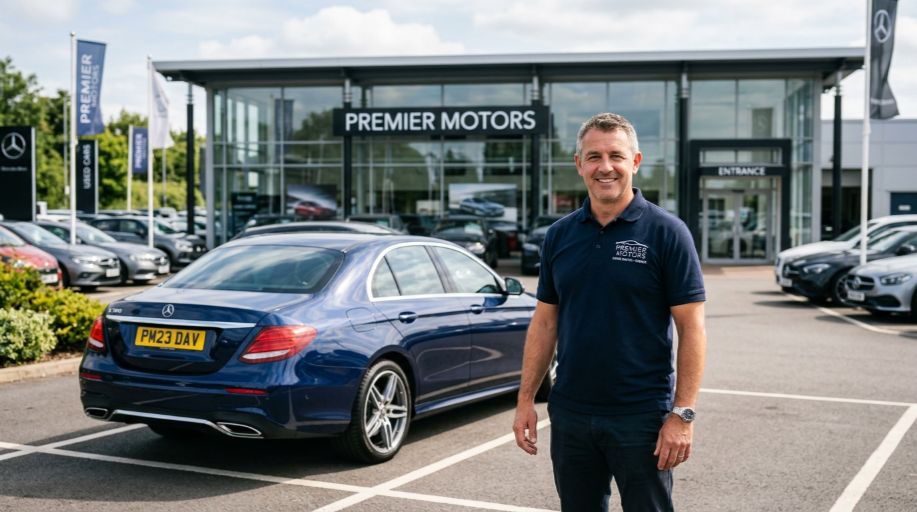
Harwick Motor Group is a Leicester based used car dealership selling a rotating stock of 80 to 120 vehicles across family cars, SUVs and light commercials. Every enquiry they received came through paid advertising. Turn the ads off and the phone stops ringing entirely.

Automotive / Used Car Dealership Leicester, UK Project Year: 2023 8 months On-Page SEO Off-Page SEO eCommerce SEO Content Strategy WordPress Development
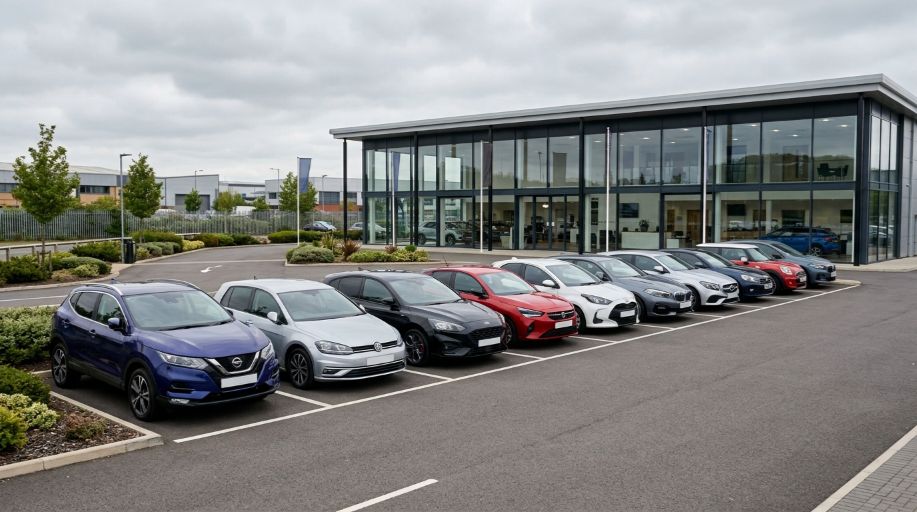
Harwick Motor Group  — Automotive / Used Car Dealership

The Problem

A dealership spending heavily on ads because organic search had never worked for them

This SEO for car dealership UK case study starts with a business that had essentially written off Google organic as a channel. Harwick Motor Group had tried SEO once before, seen nothing happen, and concluded it didn't work for car dealers. What actually hadn't worked was the approach, not the channel itself.

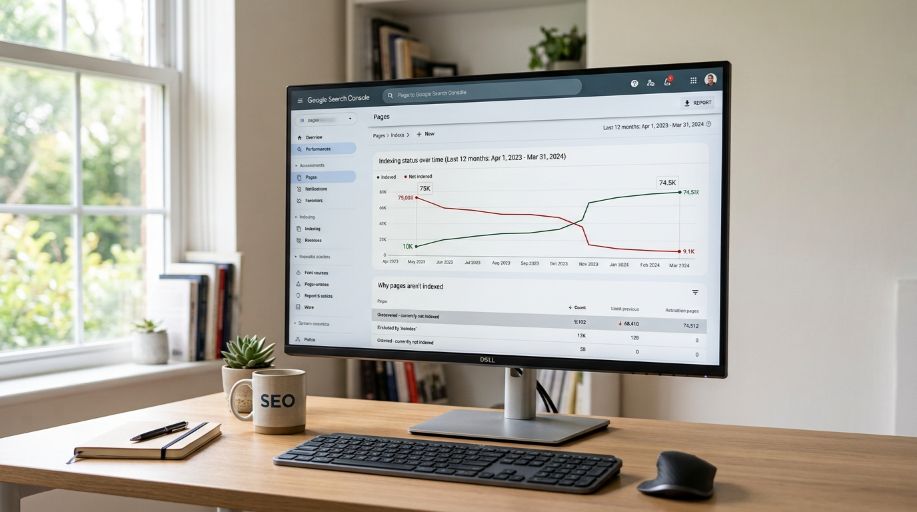
The vehicle listing pages were the core problem. Automotive SEO UK campaigns live or die on whether individual vehicle pages get properly indexed, and Harwick's weren't. Crawl data showed hundreds of listing pages sitting in GSC's "Discovered but not indexed" report, Google had found them but decided they weren't worth crawling properly. No vehicle listing schema anywhere. No structured data telling Google what make, model, year, mileage or price each page represented.

  • Hundreds of vehicle listing pages sitting in GSC discovered but not indexed
  • Zero vehicle listing schema across the entire stock catalogue
  • Google Business Profile with no categories, services or regular photo updates
  • No local service area pages targeting surrounding towns and suburbs
  • Total dependency on paid ads with zero organic revenue channel
  • No structured internal linking between listing pages and category level pages
  • Used car dealer local SEO completely absent from any part of the existing strategy
Harwick Motor Group  — challenges before Web Ranko

Our Approach

Vehicle schema, GBP rebuild and local area pages working together as one campaign

Automotive SEO UK work in the used car space has a specific technical dimension that most other local campaigns don't. Vehicle listing pages are dynamic, they get added when stock arrives and removed when cars sell, and if the schema and indexing strategy isn't set up properly that constant churn creates ongoing crawl problems. Getting the schema right wasn't a one-time job here, it needed to be built into the listing process itself so every new vehicle added to the site came with proper structured data from the moment it went live.

  • Full technical audit identifying vehicle listing indexing issues and crawl budget waste
  • Vehicle listing schema implemented across all active stock pages covering make, model, year, mileage, price and availability
  • Automated schema integration built into the listing management process for new stock
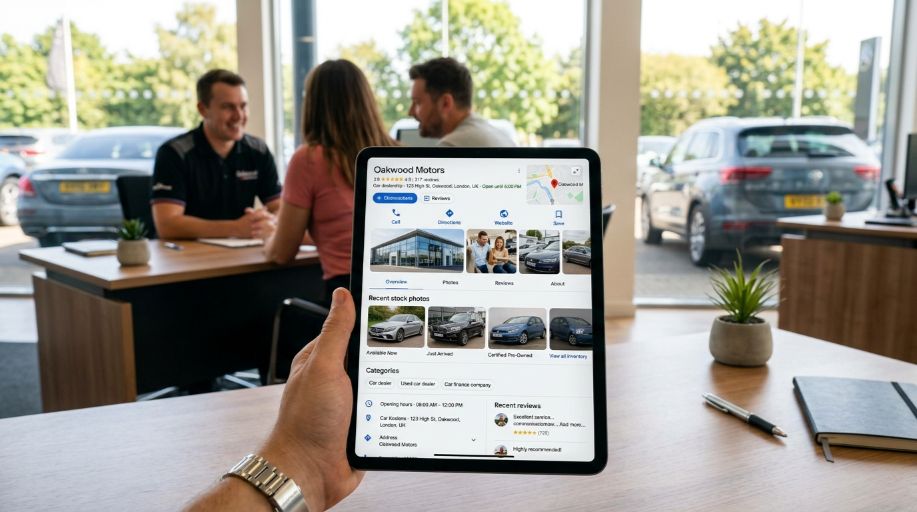
  • Google Business Profile rebuilt with automotive categories, services, stock photos and weekly updates
  • Service area pages built for 12 surrounding towns within the dealership's realistic customer catchment
  • Dealership GBP optimisation including review generation through post-purchase text follow ups
  • Internal linking architecture connecting category pages to individual listing pages
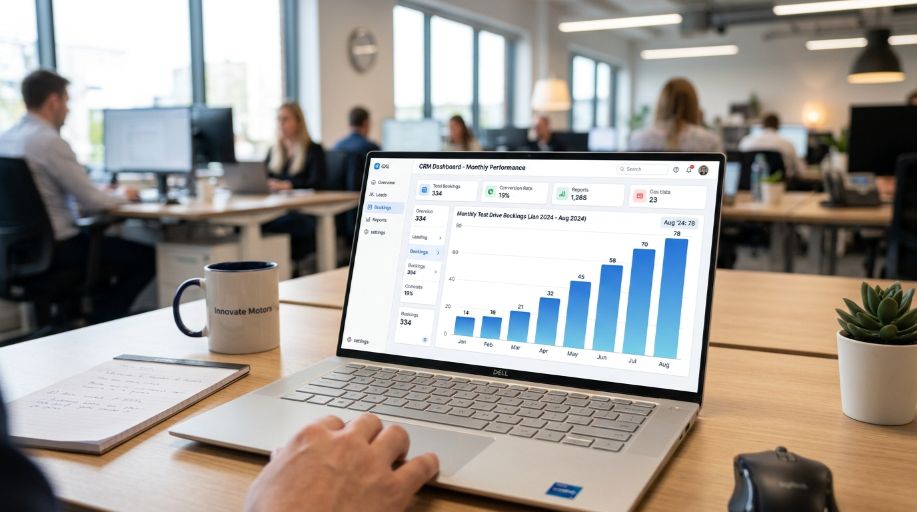
  • Test drive booking tracking implemented to measure conversion accurately
Web Ranko working on Harwick Motor Group

Real Results

Eight months after a campaign built around vehicle schema and local area targeting, the dealership had a working organic channel for the first time

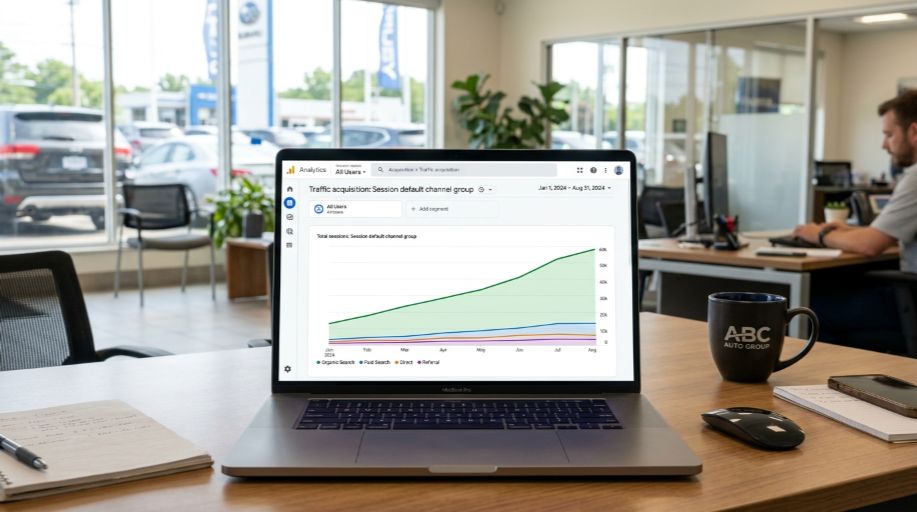
The schema work produced the first measurable movement. Vehicle listing pages that had been sitting undiscovered for months started appearing in GSC impressions data within weeks of the structured data going live. The GBP rebuild drove early local pack movement, and by month four the dealership was appearing consistently in the automotive local pack for Leicester and several surrounding area searches. By month eight, organic traffic had tripled against the baseline, test drive booking data confirmed a 67% increase in bookings attributable to organic search, and the dealership had genuine channel diversification for the first time in its history.

Up 3x
Organic traffic
Up 67%
Test drive bookings from organic
Majority indexed
Vehicle listing pages indexed
Top 3
Automotive local pack position
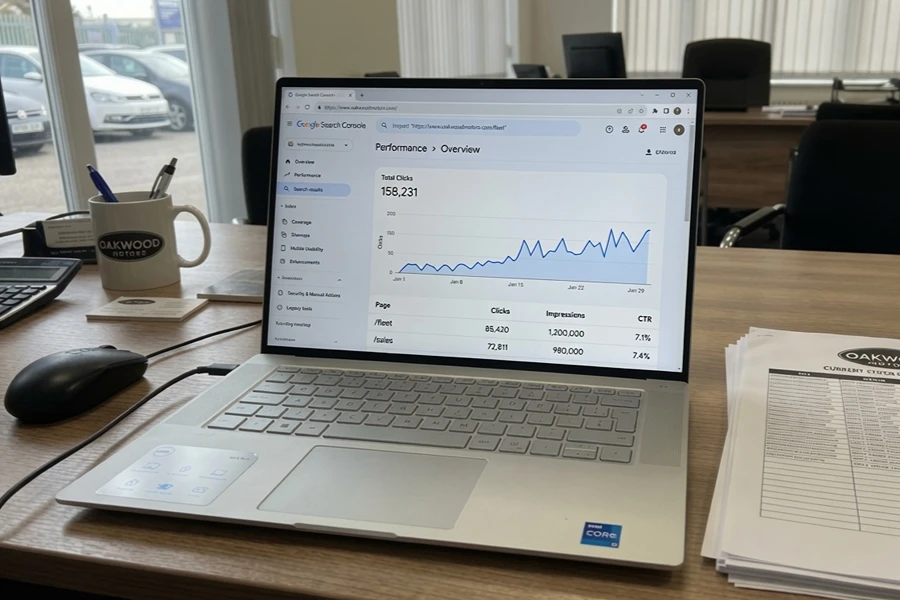
Harwick Motor Group  — results screenshot from Google Search Console Google Search Console data

Side by Side

Before & After

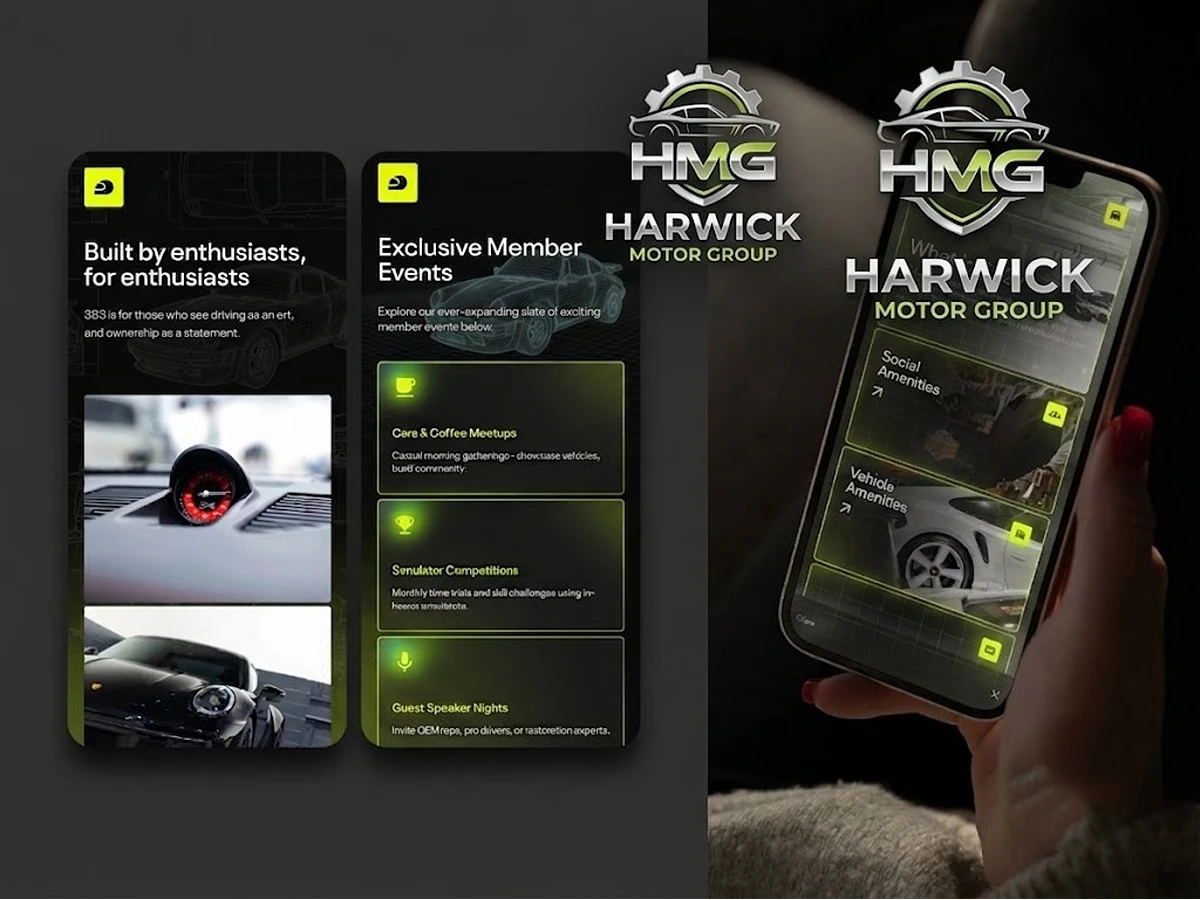
Harwick Motor Group  — before Web Ranko Before
Harwick Motor Group  — after Web Ranko After

How We Got There

Project timeline

Month 1 to 2

Technical Audit and Vehicle Schema Implementation

The crawl audit came first. GSC data confirmed that hundreds of listing pages were being discovered but not crawled properly, and the reason was thin page content combined with zero structured data. Vehicle listing schema was built and deployed across the full stock catalogue, covering every required field for automotive structured data. Robots.txt and canonical strategy were reviewed to make sure filtered search results within the stock catalogue weren't creating duplicate indexing problems.

GSC indexing coverage for vehicle listing pages improved significantly within four weeks of schema implementation. Impressions for non-branded automotive queries began appearing for the first time.
Month 2 to 4

GBP Rebuild and Local Service Area Pages

The Google Business Profile was rebuilt from the ground up with proper automotive categories, service descriptions, and a weekly photo upload schedule using actual stock images. A review request system went live through post-purchase texts. Twelve service area pages were built targeting the towns and suburbs within the dealership's realistic catchment, each one written around how local car buyers actually search rather than generic used car dealer copy.

Automotive local pack movement began by month three. First page 1 rankings appearing for service area specific used car searches.
Month 4 to 6

Category Page SEO and Internal Linking

Stock category pages covering vehicle types, makes and price ranges received full on page SEO treatment, written around commercial search intent rather than internal stock management language. Internal linking was rebuilt to connect category pages down to relevant individual listing pages and back up to the homepage, creating a proper authority flow through the site architecture.

Category page rankings moving consistently. Organic traffic share of total website visits growing month on month for the first time.
Month 6 to 8

Scaling and Booking Conversion Focus

With organic traffic growing, the focus shifted to making sure it was converting into actual test drive bookings rather than just visits. The booking form's placement and visibility across listing pages were reviewed and improved. The schema was extended to cover the dealership's finance and part-exchange services. GBP optimisation continued on a maintenance schedule.

3x organic traffic growth confirmed in GA4. Test drive booking data showed 67% growth against the same eight month period the previous year.
Harwick Motor Group

We'd spent years convinced that SEO just didn't work for car dealers. Turned out it works fine, we'd just never had the vehicle pages set up in a way Google could actually read them. Once the schema went in and the local pages were built, organic enquiries started coming through within a couple of months. Eight months later we're getting test drive bookings every week from people who found us through Google without a single penny of ad spend involved. That's a completely different business model to what we had before.

Harwick Motor Group Owner, Harwick Motor Group, Leicester

Harwick Motor Group had dabbled in SEO before, giving it a few months and then walking away when nothing moved. The management team had concluded that organic search simply did not work for used car sales. It was a plausible conclusion. It was also completely wrong.

When they came on board, every single enquiry the business received came through paid advertising: Google Ads, Facebook Ads and AutoTrader. Switch any of it off and the phone went quiet almost immediately. That is not a marketing strategy, it is a dependency, and it is an expensive one.

This case study covers what happened when we diagnosed the actual problem properly instead of simply producing more content.

The Real Problem Was Never the Keywords

Vehicle Listing Pages Were Invisible and Nobody Had Noticed

The first thing we examined was the Google Search Console data. Hundreds of vehicle listing pages were sitting in the “discovered, currently not indexed” report. Google had found the pages, crawled them briefly, and decided not to index them properly. There are several reasons that happens, and thin content combined with missing structured data sits at the top of the list.

Not a single listing page had vehicle schema on it. No make, no model, no year, no mileage, no price, no availability, nothing. To a search engine, there was no meaningful difference between a three year old Ford Focus and a seven year old Transit van. Both looked the same: a few hundred words of generic used car copy with some photographs attached. Without schema, Google was effectively guessing what each page was selling.

The GSC Numbers Told the Story Clearly

Metric Finding
Listing pages index status Hundreds discovered but not indexed
Vehicle impression data (non-branded queries) Essentially zero
Automotive local pack appearances Branded searches only
Rankings for commercial automotive terms None
Google Business Profile completeness Roughly 30% against what Google expects

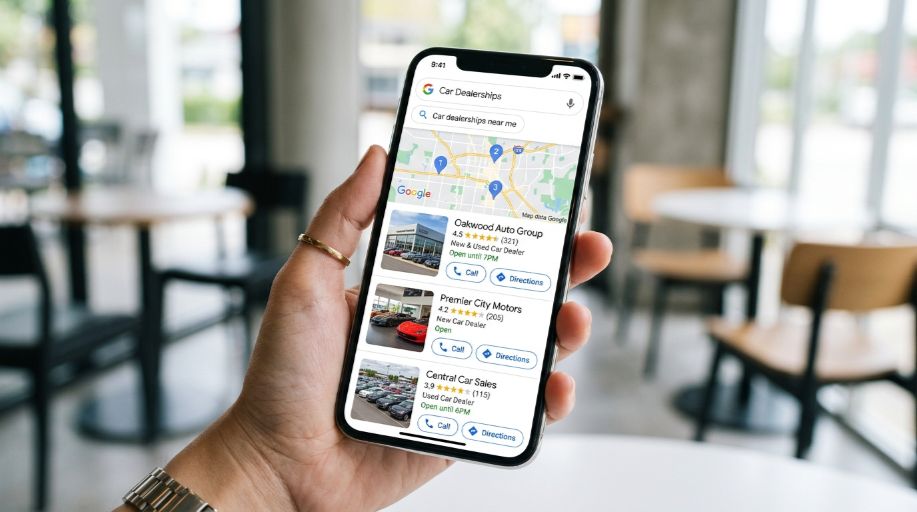
The Google Business Profile situation was almost as bad. A name, a phone number, barely any photographs, and categories that had never been set up properly for an automotive business. Two nearby competitors had clearly made the effort, and they were sitting in the top three map pack positions for every relevant local search. Harwick did not appear at all.

Fixing the Foundation First

Schema Was Not Optional in This Niche, It Was the Starting Point

The first priority was vehicle listing schema across the entire stock catalogue. Every active listing needed structured data covering make, model, year, mileage, price, availability and body type. That part was straightforward. The part that required more thought was making it sustainable.

A used car catalogue changes constantly. A vehicle listed today might sell within three days, and stock is replenished weekly. If schema has to be added manually to every listing, it stops happening consistently within a month. So we built schema generation directly into the listing process. Every new vehicle arrived on the site with complete structured data already attached, which is the only way this kind of setup survives past the first few weeks.

We addressed the crawl budget problem at the same time. The stock search function was generating sorting and filtering parameters that created hundreds of URL variations that should never have been indexed. Canonical tags and adjusted robots.txt rules meant Google spent its crawl budget on genuine listing pages rather than duplicate filter combinations.

The Local Work Ran in Parallel

Twelve Service Area Pages Built Around Real Search Behaviour

People do not only search for used cars on their own street. Most buyers will happily travel twenty to thirty miles for the right dealership, and further still for a specific make or price point. Harwick was targeting Leicester and nothing else, which left a substantial keyword universe completely untouched.

We built service area pages for twelve surrounding areas, each written around how people in that area actually search for used cars rather than templated copy with the place name swapped in. Someone searching for used cars in Loughborough has different intent to someone searching in Hinckley, and the pages reflected that.

The Google Business Profile rebuild ran alongside this. Correct automotive categories were applied, service descriptions were written properly, and stock photography started going up weekly. We also introduced a post purchase review request process. Reviews grew from five to over forty across the campaign, and every one of them received a personal reply from the dealership owner.

Building the Category Architecture

Internal Linking and Category Pages That Matched Search Intent

A local campaign cannot be carried by individual listing pages alone. Category pages covering specific makes, body types and price ranges are where commercial search traffic actually lands. Harwick’s category pages were thin and had never been built around any real keyword strategy.

Every category page went through full on-page SEO, restructured around how buyers search at different stages of the decision. Someone looking for used SUVs in Leicester under £10k is at a different point in the journey to someone looking for a Ford Focus automatic in Leicester, and each needs its own targeted page. The internal linking structure was rebuilt to connect category architecture down to relevant individual listings, so authority flowed through the site properly rather than leaving listing pages stranded.

Organic traffic started gaining momentum around month four. By month six, organic was generating more enquiries than paid advertising had at its peak.

Eight Months Later

Numbers From GA4 and the Dealership’s Own Booking System

Metric Before After 8 Months
Organic traffic Baseline Up 3x
Test drive bookings (organic) Near zero Up 67%
Automotive local pack Not ranking Top 3
Service area keywords on page 1 Zero 28
Google Business Profile completeness Roughly 30% Fully optimised

The test drive booking figures came directly from the dealership’s own booking system, not estimated from click data. These were actual bookings where the customer confirmed they had found the dealership through Google search. That 67% growth represents real people who turned up for a test drive because an organic search result sent them there.

The business still runs paid advertising. The difference now is that paid is a choice rather than the only option. We have seen this pattern before, including in our restaurant SEO case study, where fixing the technical foundation changed the economics of the entire marketing operation. The mechanism differs by industry. The outcome is the same. Get the foundations right and organic stops being the channel that “doesn’t work for your industry” and starts being the one that performs best.

Start today

Ready to stop paying for every single lead your dealership generates

Most car dealerships are one technical fix away from a working organic channel. Tell us about your dealership and we'll show you exactly what's stopping Google from indexing your vehicle listings properly.

Free audit — delivered in 48 hours
No lock-in contracts — month-to-month
Senior specialist on your project from day one
Measurable results or we tell you why not

Get your free consultation

Tell us about your project — we'll respond within 48 hours with honest advice.

No spam. No sales pitch. Just honest advice.