Skip to content
The Olive Tree London case study — Web Ranko
  1. Home
  2. Case Studies
  3. The Olive Tree London
SEO Case Study

SEO for Restaurant UK: How The Olive Tree Turned Page 1 Rankings Into 180% More Bookings

From zero Google visibility to page 1 in 5 months, with table bookings up 180%

The Olive Tree London Restaurant / Hospitality London, UK 5 months
180%
Table bookings increase
Page 1
Local search ranking achieved
5 Months
Time to results
29
Keywords on page 1

Get your free consultation

Tell us about your project — we'll respond within 48 hours with honest advice.

No spam. No sales pitch. Just honest advice.

The Olive Tree London

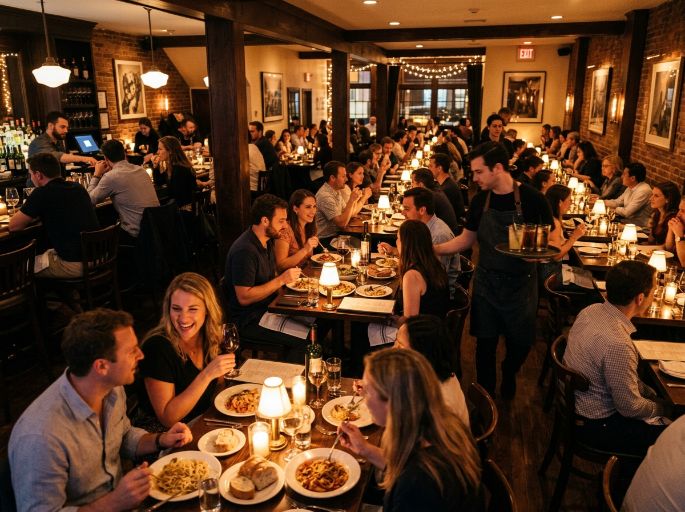
The Olive Tree is a Mediterranean restaurant based in London, known locally for its food and atmosphere but running on an outdated Wix website that was actively working against them in search results.

Restaurant / Hospitality London, UK 2025 5 months Local SEO eCommerce SEO Speed Optimisation Website Redesign
The Olive Tree London — Restaurant / Hospitality

The Problem

A London restaurant invisible on Google Maps with a website that wasn't converting visits into bookings

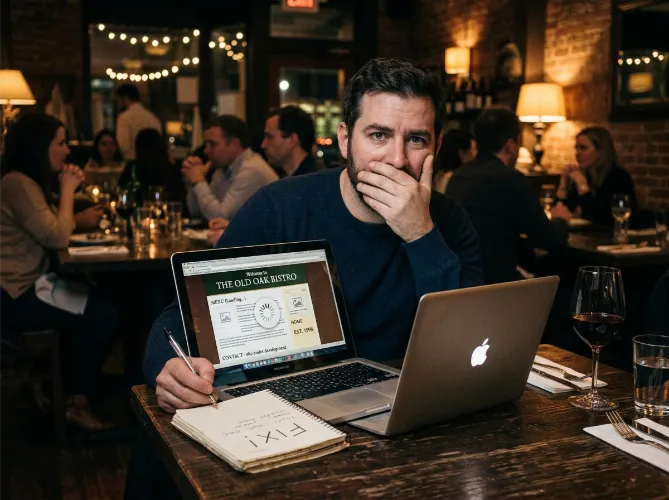
This SEO for restaurant UK case study covers one of the more common situations we see in hospitality, a genuinely good restaurant let down entirely by its online presence. The Olive Tree had loyal regulars and strong word of mouth in the immediate area, but anyone searching online for restaurants nearby simply never found them. Their Wix site was slow, the menu was buried three clicks deep, and there was no booking functionality built in at all, just a phone number sitting in the footer.

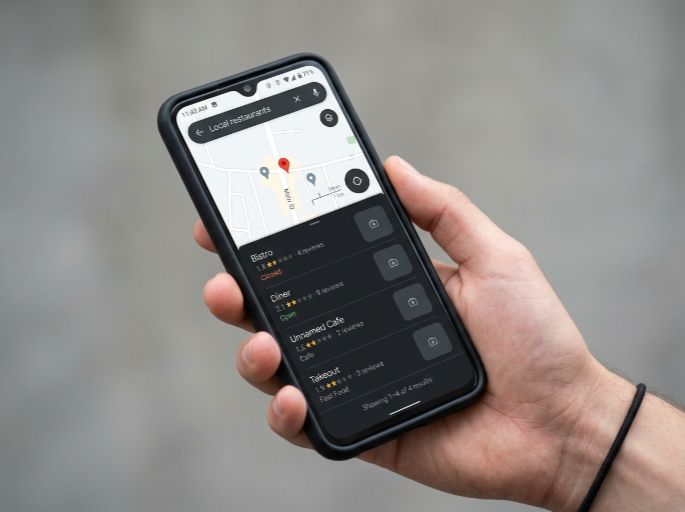
When we audited their Google Business Profile, the picture got worse. Photos were outdated, opening hours were wrong in places, and the menu listed on the profile didn't match what was actually being served. Searches for restaurants in their specific area showed a cluster of competitors filling the map pack, several of whom had noticeably worse reviews but far stronger restaurant Google Maps ranking UK visibility simply because their listings were complete and active.

  • Outdated Wix website with slow load times and no booking integration
  • Google Business Profile showing incorrect hours, outdated photos and an inaccurate menu
  • No schema markup identifying the business as a restaurant with cuisine type and price range
  • Menu buried multiple clicks deep with no SEO friendly structure
  • No local citations across UK hospitality and review directories
  • Zero table booking SEO strategy connecting search visibility to actual reservations
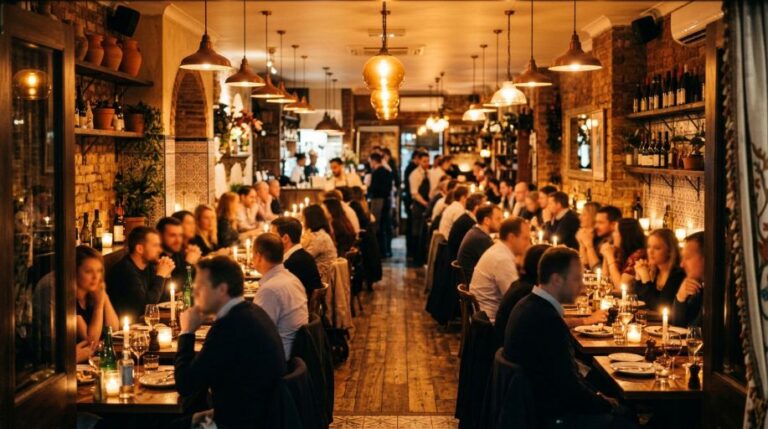
The Olive Tree London — challenges before Web Ranko

Our Approach

A combined website rebuild and local SEO campaign built around bookings, not just visits

This was a dual track project from day one. Restaurant website design needed a complete rebuild on WordPress to fix the technical and conversion problems, while local SEO work ran in parallel to rebuild visibility from the ground up. Running both together meant the new site was built with local search intent baked in from the start, rather than retrofitting SEO onto a finished design afterward.

  • Full custom WordPress website rebuild replacing the outdated Wix site
  • Integrated online table booking system connected directly to the homepage and menu page
  • Google Business Profile rebuild with accurate hours, menu, photos and categories
  • Restaurant schema markup added sitewide covering cuisine, price range and menu items
  • Local citation building across 30 plus UK hospitality and review directories
  • Page speed optimisation bringing mobile load times down significantly
  • Internal linking restructure connecting menu, booking, and location content
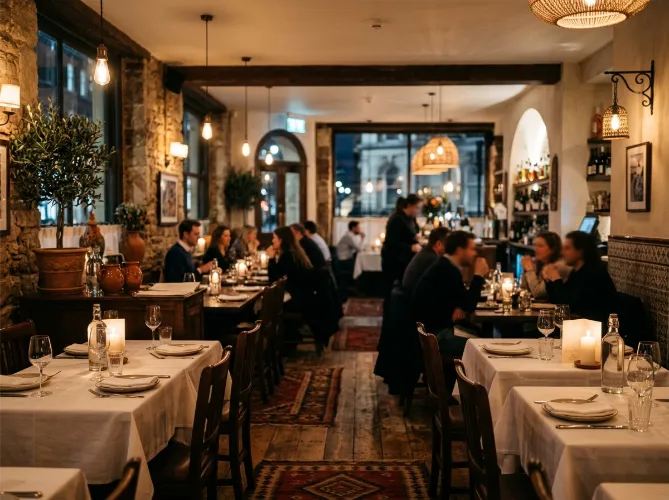
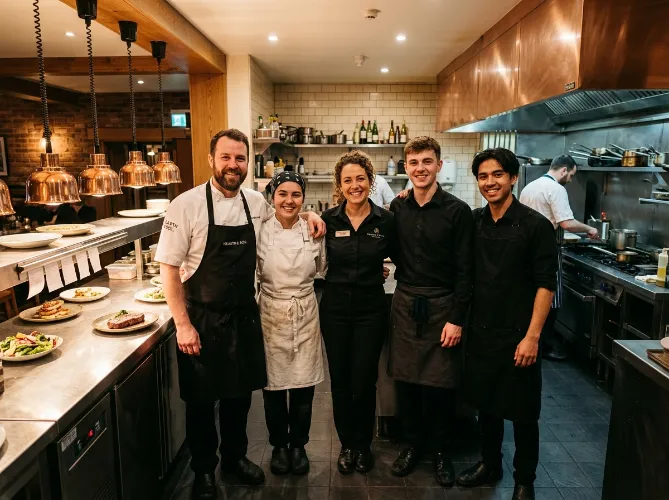
Web Ranko working on The Olive Tree London

Real Results

Five months later The Olive Tree had a fast website, a complete local profile, and a booking system actually filling tables

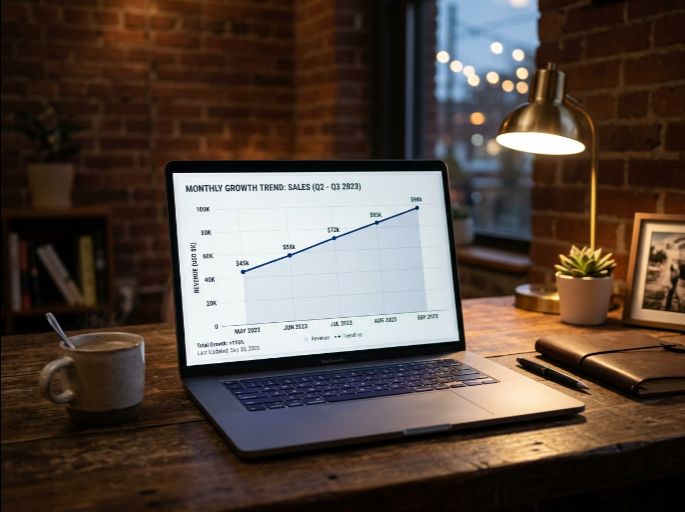
The website rebuild and GBP work together produced visible movement faster than either would have alone. By month two, profile views and direction requests were already climbing. By month five, the restaurant held page 1 rankings across 29 keywords, including branded searches, near me terms, and cuisine specific local searches. Table bookings made through the new website system were up 180% compared to the five months prior, with the booking integration converting search visibility directly into covers rather than just foot traffic and phone calls.

Keywords on page 1
29
Table bookings
Up 180%
Mobile PageSpeed score
High 80s
GBP completeness
Fully optimised
The Olive Tree London — results screenshot from Google Search Console Google Search Console data

Side by Side

Before & After

The Olive Tree London — before Web Ranko Before
The Olive Tree London — after Web Ranko After

How We Got There

Project timeline

Month 1 to 2

Website Rebuild and GBP Foundation

The custom WordPress rebuild began immediately, replacing the slow Wix site with a fast, mobile first build including an integrated table booking system. Alongside the build, we rebuilt the Google Business Profile from scratch, correcting hours, refreshing photos, and rewriting the menu section to match what was actually being served.

New WordPress site launched with mobile PageSpeed scores improving substantially, and GBP completeness reaching fully optimised status.
Month 2 to 3

Schema, Citations and On Page SEO

Restaurant schema markup was implemented across the new site, giving Google structured data on cuisine type, price range and menu items. We cleaned up and built local citations across the major UK hospitality directories, fixing inconsistent NAP data that had built up over the years on the old site.

Citation consistency reached 92% across tracked directories, and the first page 1 rankings began appearing for branded and near me searches.
Month 3 to 5

Local Content and Booking Conversion Focus

We built out location and cuisine specific landing content designed to support table booking SEO directly, connecting search visibility to the actual reservation system rather than just driving general traffic. Internal linking was tightened across menu, booking and location pages to keep the booking flow as short as possible.

29 keywords reached page 1, and table bookings tracked through the new system climbed steadily month over month.
The Olive Tree

Our old website genuinely embarrassed us. People would walk past, look us up, and end up somewhere else because the site was so slow and the menu was impossible to find. The new site fixed that immediately, but it was the local search work that actually got people finding us in the first place. Bookings have nearly tripled and the table is rarely empty on a weeknight now, which never used to happen.

The Olive Tree Owner, The Olive Tree, London

The Olive Tree wasn’t struggling because the food was bad. Not even close. Regulars kept coming back week after week, and honestly, the reviews from people who’d actually eaten there were glowing. So what was the actual problem? Simpler than you’d think, and way more frustrating. New customers just couldn’t find them online. This SEO for restaurants UK case study tells the story of how we fixed that, rebuilding the website and the local search presence side by side until table bookings climbed 180% in five months flat.

What We Found When We Looked Under the Hood

The Website Was Doing More Harm Than Good

For years, the restaurant had been running on a Wix site. Nobody really chose it carefully; it just got built once, then sat there untouched while everyone forgot it existed. Three clicks deep, that’s where you’d find the menu. Booking system? None. Just a phone number buried in the footer that went unanswered half the time during service. Load that site up on a phone from a Google search, and you’re stuck with something slow and confusing enough to make anyone bounce within seconds.

The Google Business Profile Was Just as bad.

Photos hadn’t been updated in years. Opening hours were wrong, and not just in one place, either, at least two. The menu on the profile? Didn’t match a single thing the kitchen had actually served for the better part of eighteen months. We checked the map pack for restaurants nearby, and four competitors sat right at the top. Some had worse reviews, sure, but their profiles were complete and active, and that’s exactly what Google trusted more.

Here’s What the Full Audit Actually Found

Issue Detail
Website platform Outdated Wix site loading slowly on mobile with zero booking functionality
GBP listing Incorrect hours, old images, an inaccurate menu
Schema markup No restaurant schema anywhere on the site
Local citations None across UK hospitality and review directories
Booking connection No link whatsoever between search visibility and table reservations
Menu structure Completely unfriendly to search engines

Hospitality SEO UK problems tend to look exactly like this, again and again. The dining room itself? Rarely the actual issue. It’s everything built around it online that falls apart.

Why We Rebuilt the Website and the SEO at the Same Time

Running Both Tracks in Parallel Was the Only Approach That Made Sense

Optimising a slow Wix site for local search made zero sense on its own. And launching a gorgeous new website with no local visibility to drive traffic to it? Just as pointless. So both tracks kicked off on the exact same day.

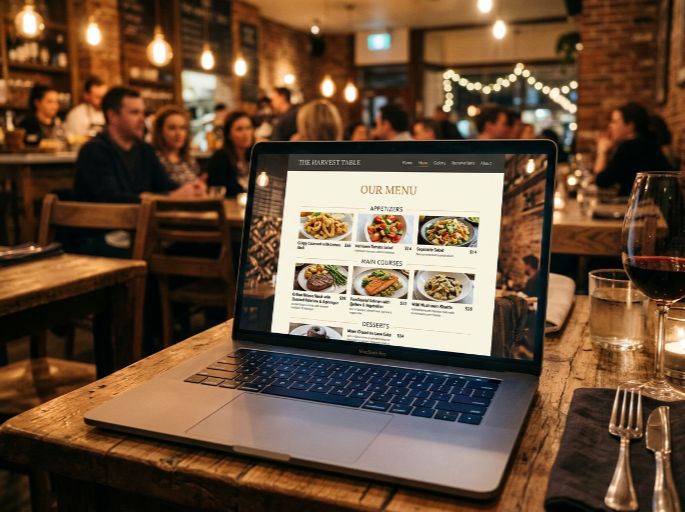
The WordPress rebuild replaced Wix entirely, mobile-first this time, fast-loading, with a table booking system wired directly into both the homepage and the menu page. Sounds basic when you write it down like that, doesn’t it? But the difference it made to conversion showed up almost immediately. People could pull up the menu, pick a date, book a table, and get it confirmed, all without ever touching the phone.

GBP restaurant optimisation ran alongside this from week one. Hours got corrected. Photos got refreshed. The menu got rebuilt to actually reflect what was being served. A regular posting schedule went in too, because an active profile tells Google something a stale one never can, that this business is genuinely still open and paying attention to its own presence.

Getting the Technical Details Right

Schema, Citations and the Stuff Most Restaurants Skip Entirely

Once the new site went live, restaurant schema markup rolled out sitewide. Cuisine type, price range, menu items, and opening hours were structured properly so Google could actually read and use them. The old Wix site had none of this. Which meant Google was basically guessing at what kind of business it was even looking at.

Citation building came next. Inconsistent business information scattered across directories is one of those quiet problems that never looks urgent, right up until you realise it’s been dragging rankings down for years. Listings got cleaned up and rebuilt across 30-plus UK hospitality directories, name, address and phone number matching exactly, everywhere.

By month three, the first page 1 rankings started appearing, mostly branded searches and ‘near me’ terms in the map pack. That early movement gave us real data to work from heading into the final phase, rather than educated guesswork.

Turning Rankings Into Actual Bookings

Content That Connects Search Intent to the Reservation System

Ranking on page 1 means nothing if the person clicking through never books a table. So the final stretch focused entirely on closing that gap. Location- and cuisine-specific landing content went up, built to support table booking SEO directly. Internal links across the menu, booking and location pages got tightened. The path from search result to confirmed reservation stayed as short as possible every step of the way.

This is something we apply across all our local SEO work at Webranko, whatever the sector happens to be. Visibility and conversion have to work together. One without the other? Just a half-finished job, really.

The Results After Five Months

Numbers From the Booking System and Search Console

By month five, 29 keywords were sitting on page 1, spanning branded searches, ‘near me’ terms, and cuisine-specific local combinations that actually convert into covers.

Metric Before After 5 Months
Keywords on page 1 Fewer than 5 29
Table bookings Baseline Up 180%
Mobile PageSpeed score Low 30s High 80s
GBP completeness Roughly 45% Fully optimised
Local citations consistent Inconsistent 92% across directories

Table bookings through the new system were up 180% compared to the same five-month window the year before, and this wasn’t just more traffic landing on a homepage. These were actual confirmed reservations, coming through a system that didn’t even exist when the project started.

What Made the Difference

It wasn’t one single thing, not really. The WordPress rebuild fixed the conversion problem. GBP optimisation fixed the visibility problem. Schema and citations gave Google the trust signals it needed to take the site seriously. And the content tied all of that together for the people actually searching for somewhere to eat that evening. Run any one of these in isolation, and the results would’ve been a fraction of what they turned out to be.

Want to see this same local and technical SEO approach applied somewhere else? The dental practice case study covers how similar foundations landed page 1 rankings for 47 keywords in six months.

Here’s the honest truth about restaurant SEO, though: it’s really not that complicated. Most restaurants stay invisible online, not because the problem is hard to crack, but because nobody ever got round to fixing it properly.
Start today

Ready to turn local search visibility into a fully booked dining room

Most restaurants are losing covers simply because their website is slow and their Google profile is incomplete. Tell us about your restaurant and we'll show you exactly where the opportunity is.

Free audit — delivered in 48 hours
No lock-in contracts — month-to-month
Senior specialist on your project from day one
Measurable results or we tell you why not

Get your free consultation

Tell us about your project — we'll respond within 48 hours with honest advice.

No spam. No sales pitch. Just honest advice.