


In-Depth Guide
The Complete Guide to SEO Services
Our specialists have written a comprehensive guide covering strategy, best practices, and the exact approaches we use for our clients.
Tell a certain type of SEO consultant you run a Wix site and watch their face change. There’s a persistent myth that Wix simply cannot rank on Google, and it’s wrong often enough that it’s worth clearing up properly before anyone spends money moving platforms unnecessarily.
Wix gives you editable titles, meta descriptions, alt text and structured data. That’s more than plenty of WordPress sites actually bother using correctly. The real issue isn’t the platform’s capability. It’s that most Wix sites never touch half of what’s available, then blame the CMS when rankings don’t move.
What Wix Actually Lets You Control
Here’s the honest breakdown. Titles and meta descriptions are fully editable on every page. Alt text works the same way it does anywhere else. Structured data can be added through Wix’s own SEO tools without touching code. Where things get genuinely trickier is deeper technical control, and that’s where a lot of generic advice written for WordPress simply doesn’t transfer.
Trying to apply a technical SEO audit checklist built entirely around server level access and custom code wastes hours chasing settings Wix doesn’t expose. The smarter approach starts by working out exactly what’s fixable within the platform and what needs a completely different solution, like reducing app load rather than editing a file that doesn’t exist here.
Wix Capability Versus Common Assumption
| SEO Element | Common Assumption | Actual Wix Reality |
|---|---|---|
| Titles and meta descriptions | Locked or limited | Fully editable on every page |
| Structured data | Not possible without code | Supported through built in tools |
| Page speed | Fixed platform limitation | Largely controlled by app choice |
| URL structure | Fully customisable like WordPress | Some default patterns need manual correction |
Most sites we look at sit in that middle column, assuming limitations Wix solved years ago while missing the URL defaults that do need fixing.
Apps Are Usually the Real Speed Problem
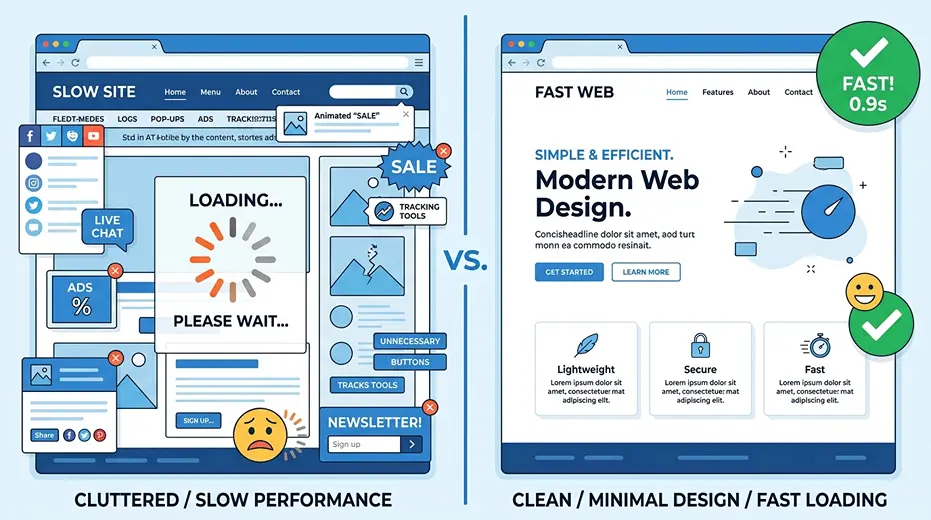
Ask most Wix owners why their site loads slowly and they’ll blame the platform itself. Check the actual cause and it’s usually apps. A booking widget here, a chat plugin there, a review carousel nobody remembers installing. Each one adds a bit of load time, and together they quietly drag a page down without anyone connecting the dots.
Going through every installed app and asking whether it’s actually earning its place on the page tends to solve more speed problems than any code level fix could on this platform. Compress images properly, remove what isn’t pulling weight, and Wix sites can load perfectly respectably without any drastic changes.
Duplicate Content Sneaks In Through the Back Door
Wix’s category and collection structure can quietly create near identical pages without anyone intending it. Two URLs ending up with almost the same content confuses search engines about which one deserves to rank, splitting authority between them instead of concentrating it on one strong page.
Fixing this properly means checking canonical tags are set correctly wherever Wix allows it, and reviewing collection pages for genuine overlap rather than assuming the platform handled it automatically. This is exactly the kind of issue a proper SEO audit service catches early, because it rarely shows up as an obvious problem until rankings have already been quietly split for months.
Comparing Wix to WordPress Misses the Actual Question
Business owners often ask whether they should move from Wix to WordPress to fix their SEO. Wrong question, most of the time. The better question is whether the current setup is using what’s already available properly.
Full WordPress SEO services work involves a different set of levers entirely, more code level control, more plugin flexibility, genuinely deeper customisation in places. That’s real. But migrating an entire site is a significant undertaking, and for most small to medium UK businesses, the gap between a properly optimised Wix site and a properly optimised WordPress site is smaller than either platform’s fans would admit.
Local Businesses Need the Basics Covered First
For a Wix site belonging to a business relying on nearby customers, none of this technical work matters much without the fundamentals of visibility in local results also being handled properly. A fast, well structured Wix site still needs consistent business information and proper local signals to actually convert that speed into footfall or enquiries.
This is where the platform work needs to sit alongside genuine local SEO agency thinking, rather than treating site speed and local visibility as two completely separate jobs. A perfectly optimised page that never shows up in a nearby search still leaves revenue on the table.
What This Looks Like Once It’s Actually Fixed
None of this requires abandoning Wix or pretending it works exactly like any other platform. It requires an honest look at which apps are actually needed, titles and meta descriptions rewritten properly instead of left on automatic defaults, duplicate content caught before it splits ranking signals, and a clear understanding of what Wix genuinely allows versus what generic advice assumes.
We check Wix sites every month that were told a platform migration was the only fix. Most of the time it wasn’t. Clear out what’s slowing the site down, fix what’s been left on default settings, and a Wix site can rank exactly as well as the business actually deserves, without a single line of code changing hands.