
Skip to content
Automotive Marketing

Automotive Marketing UK Websites and SEO Built Around What's Actually On Your Forecourt

A car dealership website has a problem most other business sites never deal with, its entire product range changes constantly. A vehicle that sold on Tuesday is still showing up in search results on Friday, sending an interested buyer to a listing for a car that’s gone, and that buyer rarely comes back to check again.

Automotive marketing UK dealerships need means vehicle detail pages that stay genuinely current, built to update the moment stock changes rather than lagging days behind. We build SEO for car dealership searches around real time inventory, seasonal plate change spikes, and the specific finance and part exchange questions buyers have before they ever step onto a forecourt.

Fixed-price quotes UK-based developers 90+ PageSpeed guaranteed
Web Ranko team working on Automotive Marketing
Vehicle listings that match your actual stock, not last month's inventory

Dealership Marketing

What automotive marketing actually covers, and why stale listings quietly cost dealerships sales

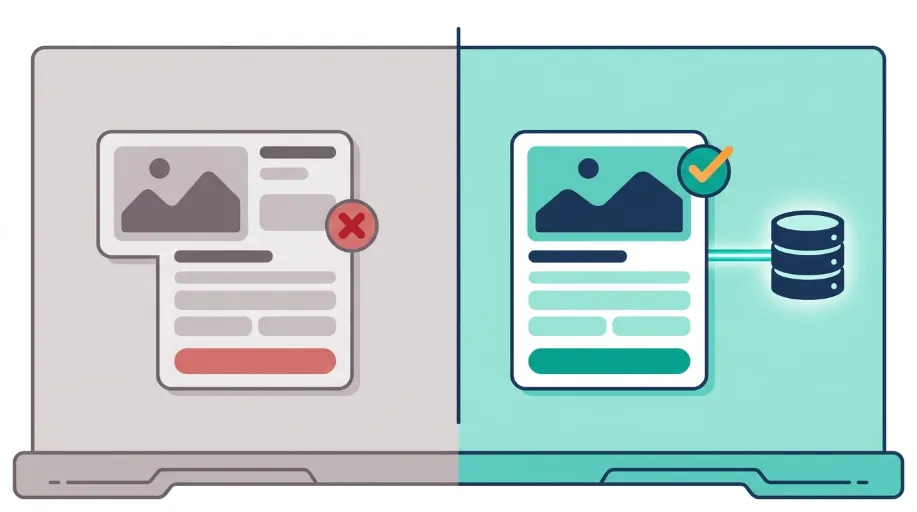
Most business websites describe services that stay the same for months or years. A dealership website describes stock that turns over constantly, sometimes within days, and a website that doesn’t reflect that reality creates a specific kind of frustration. A buyer clicks through from a search result, finds the vehicle already sold, and leaves without ever contacting the dealership at all. This isn’t a design problem, it’s a data problem, and fixing it properly means building vehicle detail pages connected directly to actual stock rather than manually updated on whatever schedule someone remembers to follow.

SEO for car dealership searches also has to account for UK specific seasonal patterns. Plate change periods in March and September send search volume for new registrations sharply up, while demand for used vehicles, finance options and part exchange valuations stays steady year round. A buyer searching for a specific make and model in a specific area behaves very differently to someone searching broadly for used cars nearby, and both need targeting properly rather than treating every automotive search the same way.

Dealerships with vehicle listings that lag behind actual stock changes
Businesses losing enquiries to competitors ranking higher for local searches
Multi branch dealer groups needing location specific visibility for each site
Dealerships wanting stronger visibility during plate change periods
Businesses with a website that does not reflect finance or part exchange options clearly
Web Ranko Automotive Marketing specialist at work

Common issues we fix

Vehicle listings showing stock that has already been sold High
No automatic connection between stock system and website listings High
Weak visibility during March and September plate change spikes Med
Finance and part exchange information missing from vehicle pages Med
No clear local SEO presence for nearby used car searches High
Multi branch dealer group treating all locations as one generic site Med
Vehicle pages too generic to satisfy specific make and model searches Med
Site slow to load, losing impatient browsers before they see stock High

What's Included

What's Included in Automotive Marketing

A senior developer owns your project from first line to launch. Here is exactly what you get.

Stock and Search Behaviour Audit

We start by reviewing how your current stock is represented online and how buyers actually search for vehicles in your area.

  • Full audit of current vehicle listings against actual stock
  • Search behaviour research specific to your makes and models
  • Competitor dealership websites reviewed for genuine gaps
  • Written summary agreed before any technical work begins

Live Stock Integration

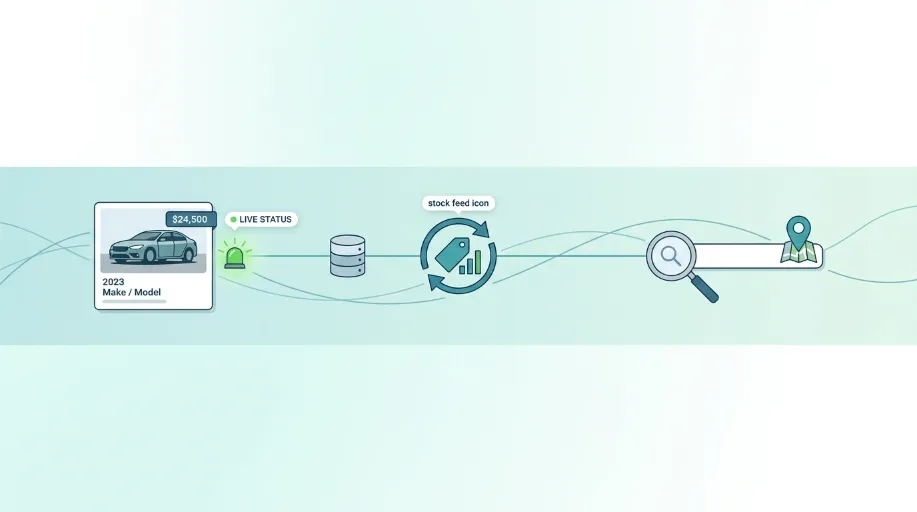
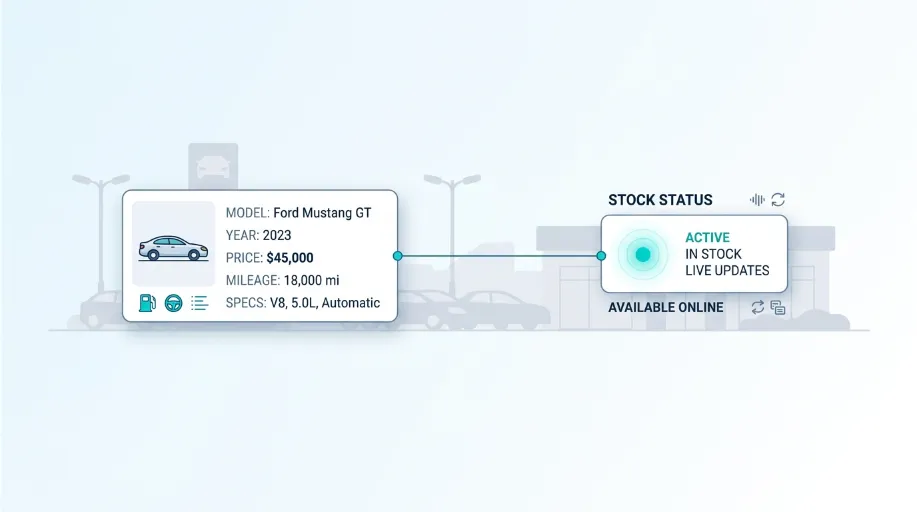
Vehicle detail pages are connected directly to your stock management system, so listings update automatically as vehicles sell or arrive.

  • Website connected directly to your stock feed or DMS
  • Sold vehicles removed or marked automatically, not manually
  • New arrivals published as soon as they enter your system
  • Integration tested thoroughly against real stock changes

Vehicle Detail Page Optimisation

Each vehicle page is structured and optimised properly, satisfying specific make, model and location based searches rather than generic listings.

  • Vehicle pages optimised for specific make and model searches
  • Finance and part exchange information included clearly
  • Genuine specification and condition details presented properly
  • Technical SEO reviewed to remove barriers to ranking well

Plate Change and Seasonal Strategy

Content and visibility are planned around UK plate change periods, so search rankings peak when new registration demand is highest.

  • March and September plate change content planned ahead of time
  • New vehicle search visibility built for peak seasonal demand
  • Used vehicle content maintained for steady year round searches
  • Seasonal performance tracked and compared year on year

Local and Multi Branch Visibility

Local search visibility is built properly for every branch location, so nearby buyers find the right site rather than a generic company page.

  • Location specific pages built for each dealership branch
  • Google Business Profile optimised for every site individually
  • Local citations and directory listings reviewed and corrected
  • Search performance tracked separately across each location

Ongoing Marketing Support

Stock turns over constantly and seasonal demand shifts throughout the year, so we support the strategy well beyond initial launch.

  • Stock integration monitored to catch any sync issues early
  • Rankings and enquiry volume monitored on an ongoing basis
  • Strategy adjusted ahead of upcoming plate change periods
  • Regular reporting on visibility and enquiry performance

Why It Matters

Why UK Dealerships Choose Webranko

A stock listing that lags even a few days behind reality quietly costs enquiries every single week. We build websites connected properly to live stock, timed around genuine UK buying patterns, not a generic template treating every vehicle search the same way.

Web Ranko development team
Get a free Automotive Marketing audit

Listings That Actually Match Stock

Vehicle pages connect directly to your stock system, so buyers never click through to a car that's already gone.

Built Around Plate Change Seasonality

Content and visibility are planned ahead of March and September, capturing demand exactly when it spikes.

Multi Branch Visibility Done Properly

Every dealership location gets genuine local search visibility, rather than one generic page representing the whole group.

Senior Technical and SEO Experience

Your site is built by people who understand both automotive stock systems and the technical SEO behind local search.

How We Work

How Webranko Handles Automotive Marketing

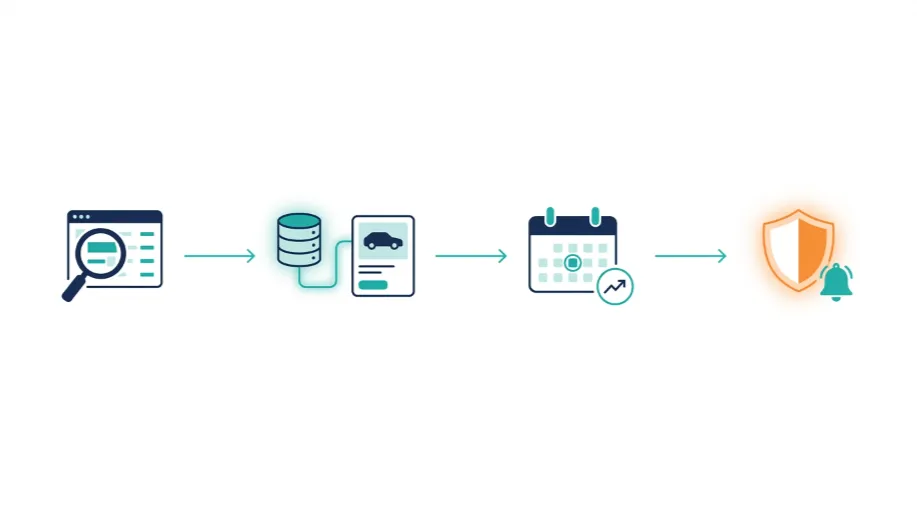
A structured process that starts with your actual stock system, so the finished website reflects genuine inventory rather than a static snapshot.

Web Ranko development team at work
Senior developers. Fixed-price. No surprises.
Week 1

Stock and Search Audit

We review your current listings against actual stock and research how buyers search for your specific makes and models.

Week 1 to 2

Live Stock Integration and Build

Vehicle detail pages are built and connected directly to your stock system, updating automatically as inventory changes.

Week 2 to 3

SEO and Seasonal Planning

Vehicle pages and location content are optimised, with plate change periods planned ahead of peak demand.

Ongoing

Monitoring and Support

Stock accuracy and rankings are monitored continuously, with strategy adjusted ahead of each seasonal period.

Real Results

Why UK Dealerships Work With Us

35+ Years combined team experience
10+ Dealership Websites Built
24hr Average Agency Query Response Time
Gary Fenwick

We were getting complaints from customers who drove in after seeing a car online that had sold three days earlier, and it was damaging trust every single time. Webranko connected our website directly to our stock system, and listings now update the moment something sells. We stopped losing those wasted visits almost immediately.

Gary Fenwick Sales Director, Fenwick Motor Group

In-Depth Guide

The Complete Guide to Automotive Marketing

Our team has written a comprehensive guide covering technical specs, best practices, and the exact approaches we use on every project.

A car dealership loses trust in a very specific way most businesses never experience. A buyer finds a vehicle online, drives across town excited about it, then discovers it sold four days ago and nobody updated the listing. That single bad visit often costs more than the lost sale itself.

We’ve reviewed enough dealership websites now to know this happens more often than owners realise, quietly, week after week, without anyone tracking exactly how many wasted visits it’s causing.

The Stock Accuracy Problem: Direct Answer

Here’s the core issue worth understanding before anything else.

Question Answer
Why do dealership sites show sold vehicles? Listings are updated manually rather than connected to the actual stock system
When does UK car search demand spike? March and September, tied directly to new registration plate changes
Does location affect used car search results? Yes, most searches include a nearby town or postcode area
What frustrates buyers most on dealer sites? Clicking through to a vehicle that has already gone
How quickly should sold stock disappear from a site? Immediately, ideally through automatic system connection rather than manual updates
Do multi-branch dealer groups need separate pages per site? Yes, each location needs its own genuine local visibility

That gap between what a stock system says and what a website shows is really the whole problem in miniature. Everything else in dealership marketing builds on getting that one thing right first.

Behind Every Listing Sits a System Worth Trusting

A dealership website is only as reliable as the technology holding it together. Stock feeds, finance calculators and part-exchange valuation tools all depend on a hosting environment that stays fast and available, particularly during busy periods like a plate change weekend when traffic spikes sharply and slow servers cost genuine enquiries.

We’ve seen dealership sites buckle under exactly this kind of seasonal load, timing out right when interest peaks. Our Managed WordPress Hosting service handles that infrastructure properly, keeping a site responsive when March and September bring a genuine surge in new registration searches, rather than falling over at the worst possible moment.

What Happens When Nobody’s Watching the Site Closely

Dealership websites hold something worth protecting beyond stock listings: customer enquiries, finance applications, and sometimes part-exchange details submitted through a form. A compromised site handling that kind of data isn’t just an inconvenience. It’s a genuine liability.

We worked with a dealer group in Yorkshire whose website had been quietly injected with spam content for weeks before anyone noticed, buried deep enough that it never appeared on the homepage but was already dragging down their search rankings across the board. Nobody was checking regularly, because nobody had reason to think they needed to. Our website security monitoring service exists precisely for this, catching exactly this kind of quiet compromise before it does lasting damage to either rankings or customer trust.

Beyond a Standard Site: When Dealerships Need Something Built Specifically for Them

Some dealer groups outgrow what a standard website template can handle. A stock feed pulling from three different suppliers, a bespoke finance calculator matched to specific lender criteria, a part-exchange valuation tool that needs to talk directly to a pricing database: none of this comes off the shelf easily.

This is where things move from a website project into genuine software development. Our Custom Web Application Development service covers exactly that kind of bespoke build, when a dealership’s actual operational needs have grown past what a template site was ever designed to handle.

Getting the Fundamentals Right First

Before any advanced integration work matters, we need to address a few basics properly across every dealership website we’ve reviewed.

  • Stock accuracy checked weekly at minimum, comparing what the website shows against what’s genuinely on the forecourt, until proper system integration removes the need to check manually at all
  • Location content built for each branch, since a multi-site dealer group loses local search visibility entirely when every location shares one generic page

Those two changes alone tend to resolve most enquiry losses we find during a dealership review, before any deeper SEO or technical work even begins.

Why March and September Deserve Their Own Strategy

Plate change periods aren’t a minor seasonal bump. They’re a genuinely different search environment. Search volume for new registration terms climbs sharply in the weeks before each change, then drops off just as quickly once the new plate arrives.

Treating this like ordinary, steady demand wastes the opportunity entirely. Content and visibility timed to arrive several weeks ahead of March and September capture buyers while they’re actively comparing options, rather than after the moment has passed and search interest has cooled back to baseline.

The Used Car Side Never Really Stops

While plate changes create sharp seasonal spikes, used vehicle demand stays remarkably steady year-round. This creates a slightly awkward planning challenge: a dealership needs a strategy flexible enough to surge around new registration periods while maintaining consistent visibility for used stock the rest of the time.

Handling both properly means treating them as genuinely separate content streams rather than one blended approach, since the buyer searching for a specific new plate model in March has a completely different mindset to someone browsing used stock on an ordinary Tuesday in June.

What Ties This All Together

None of this works in isolation. A beautifully optimised vehicle page means little if the hosting behind it collapses during a traffic spike. Strong search visibility means little if a compromised site is quietly bleeding trust through injected spam nobody’s noticed yet. And a template site simply can’t stretch far enough once a dealer group’s operational needs genuinely outgrow it.

Getting automotive marketing right means treating the website as infrastructure worth maintaining properly, not a static brochure built once and left running indefinitely. The dealerships seeing the strongest results understood that distinction early, rather than learning it after a lost sale, a security scare, or a system that couldn’t keep up.

FAQ

Automotive Marketing questions, answered honestly

Questions UK car dealerships ask us most before starting automotive marketing and website work.

Ask us anything
Why do vehicle listings need to connect to a stock system?

Without a direct connection, listings often lag behind actual stock, showing vehicles that have already sold. This frustrates buyers and damages trust, since a website connected properly to live stock removes that gap entirely and updates automatically.

What is a plate change period and why does it matter for SEO?

UK plate changes happen in March and September, when new registration search volume spikes sharply. Planning content and SEO ahead of these dates captures demand exactly when it peaks, rather than reacting once the surge has already begun.

Does local SEO matter for car dealerships?

Yes, significantly. Many used car searches include a nearby location, so a dealership’s local search visibility directly determines how many nearby buyers ever see their stock. This matters even more for dealer groups with multiple branch locations.

How should a multi branch dealer group approach its website?

Each branch generally needs its own location specific visibility, rather than one generic page representing the whole group. This allows local search results to show the correct nearby branch rather than a confusing central listing.

Should vehicle pages include finance and part exchange information?

Yes, since many buyers research finance options and part exchange valuations before visiting a dealership. Including this information clearly on vehicle pages answers genuine buyer questions and can influence which dealership they visit first.

How much does a dealership website and SEO project cost?

It depends on how many vehicles are on the forecourt, whether stock comes from one feed or several, and how many branch locations need their own visibility. A single site dealership with a straightforward stock feed is simpler than a multi-branch group pulling from multiple suppliers. Most projects fall between £X and £Y. We quote a fixed price after the free review, so you know the number before committing.

When does a dealership need a bespoke build rather than a standard website?

Usually when stock comes from more than one supplier, when finance calculators need matching to specific lender criteria, or when part exchange valuations have to talk directly to a pricing database. A template site can handle a single clean stock feed. Once operational needs grow past that, it becomes a software project rather than a website project.

Start today

Sending Buyers to Cars That Have Already Sold

Every buyer who clicks through to a sold vehicle is a wasted visit and a dent in trust. Let's connect your website to your actual stock properly.

What's in your free consultation

Delivered in 48 hours by a senior developer.

Vehicle listings connected directly to your live stock system
SEO built around plate change seasonality and steady used car demand
Local visibility built properly for every dealership location
Ongoing support as stock and seasonal demand shift throughout the year