
In-Depth Guide
The Complete Guide to Automotive Marketing
Our team has written a comprehensive guide covering technical specs, best practices, and the exact approaches we use on every project.
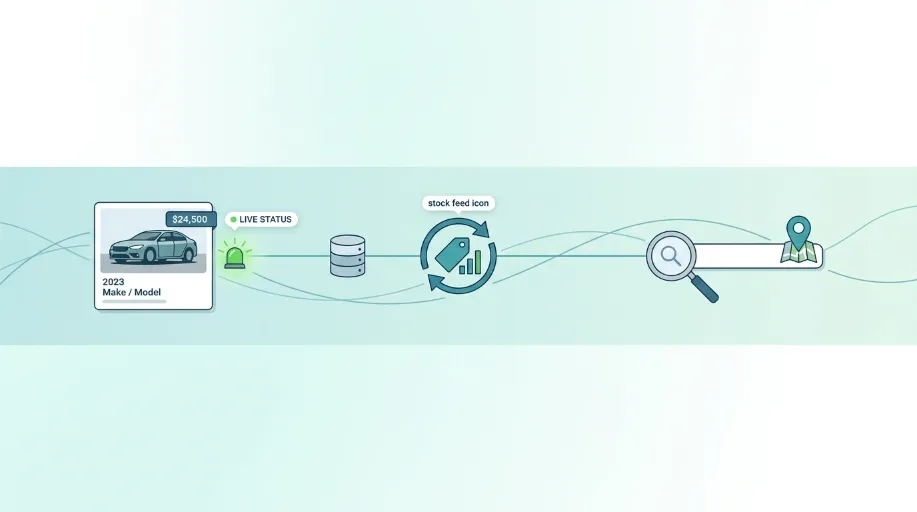
A car dealership loses trust in a very specific way most businesses never experience. A buyer finds a vehicle online, drives across town excited about it, then discovers it sold four days ago and nobody updated the listing. That single bad visit often costs more than the lost sale itself.
We’ve reviewed enough dealership websites now to know this happens more often than owners realise, quietly, week after week, without anyone tracking exactly how many wasted visits it’s causing.
The Stock Accuracy Problem: Direct Answer
Here’s the core issue worth understanding before anything else.
| Question | Answer |
|---|---|
| Why do dealership sites show sold vehicles? | Listings are updated manually rather than connected to the actual stock system |
| When does UK car search demand spike? | March and September, tied directly to new registration plate changes |
| Does location affect used car search results? | Yes, most searches include a nearby town or postcode area |
| What frustrates buyers most on dealer sites? | Clicking through to a vehicle that has already gone |
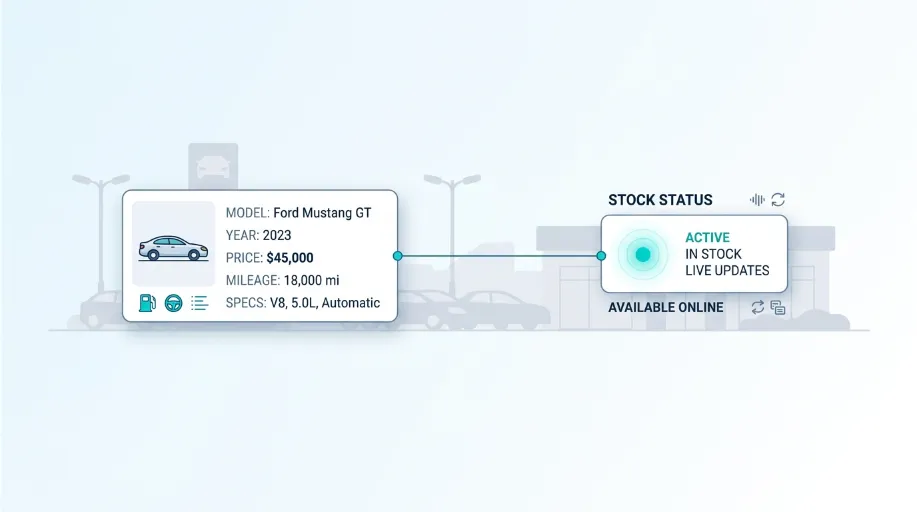
| How quickly should sold stock disappear from a site? | Immediately, ideally through automatic system connection rather than manual updates |
| Do multi-branch dealer groups need separate pages per site? | Yes, each location needs its own genuine local visibility |
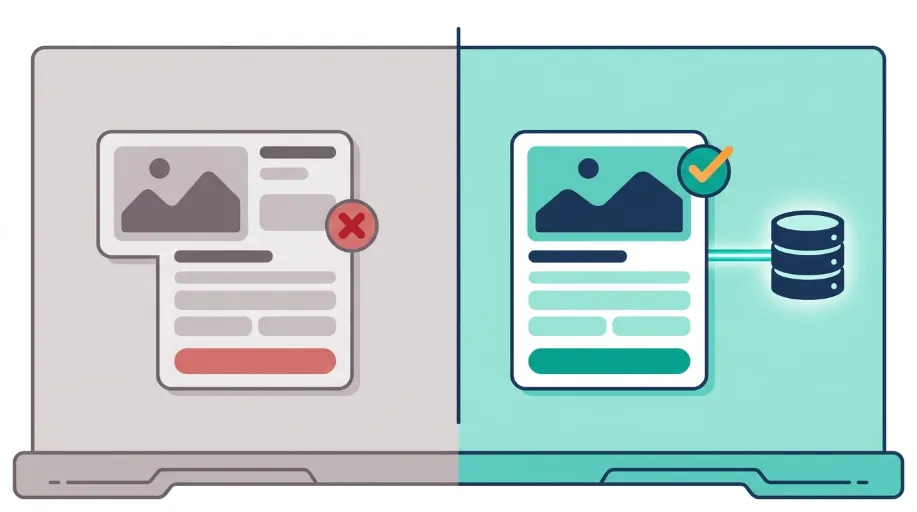
That gap between what a stock system says and what a website shows is really the whole problem in miniature. Everything else in dealership marketing builds on getting that one thing right first.
Behind Every Listing Sits a System Worth Trusting
A dealership website is only as reliable as the technology holding it together. Stock feeds, finance calculators and part-exchange valuation tools all depend on a hosting environment that stays fast and available, particularly during busy periods like a plate change weekend when traffic spikes sharply and slow servers cost genuine enquiries.
We’ve seen dealership sites buckle under exactly this kind of seasonal load, timing out right when interest peaks. Our Managed WordPress Hosting service handles that infrastructure properly, keeping a site responsive when March and September bring a genuine surge in new registration searches, rather than falling over at the worst possible moment.
What Happens When Nobody’s Watching the Site Closely
Dealership websites hold something worth protecting beyond stock listings: customer enquiries, finance applications, and sometimes part-exchange details submitted through a form. A compromised site handling that kind of data isn’t just an inconvenience. It’s a genuine liability.
We worked with a dealer group in Yorkshire whose website had been quietly injected with spam content for weeks before anyone noticed, buried deep enough that it never appeared on the homepage but was already dragging down their search rankings across the board. Nobody was checking regularly, because nobody had reason to think they needed to. Our website security monitoring service exists precisely for this, catching exactly this kind of quiet compromise before it does lasting damage to either rankings or customer trust.
Beyond a Standard Site: When Dealerships Need Something Built Specifically for Them
Some dealer groups outgrow what a standard website template can handle. A stock feed pulling from three different suppliers, a bespoke finance calculator matched to specific lender criteria, a part-exchange valuation tool that needs to talk directly to a pricing database: none of this comes off the shelf easily.
This is where things move from a website project into genuine software development. Our Custom Web Application Development service covers exactly that kind of bespoke build, when a dealership’s actual operational needs have grown past what a template site was ever designed to handle.
Getting the Fundamentals Right First
Before any advanced integration work matters, we need to address a few basics properly across every dealership website we’ve reviewed.
- Stock accuracy checked weekly at minimum, comparing what the website shows against what’s genuinely on the forecourt, until proper system integration removes the need to check manually at all
- Location content built for each branch, since a multi-site dealer group loses local search visibility entirely when every location shares one generic page
Those two changes alone tend to resolve most enquiry losses we find during a dealership review, before any deeper SEO or technical work even begins.
Why March and September Deserve Their Own Strategy
Plate change periods aren’t a minor seasonal bump. They’re a genuinely different search environment. Search volume for new registration terms climbs sharply in the weeks before each change, then drops off just as quickly once the new plate arrives.
Treating this like ordinary, steady demand wastes the opportunity entirely. Content and visibility timed to arrive several weeks ahead of March and September capture buyers while they’re actively comparing options, rather than after the moment has passed and search interest has cooled back to baseline.
The Used Car Side Never Really Stops
While plate changes create sharp seasonal spikes, used vehicle demand stays remarkably steady year-round. This creates a slightly awkward planning challenge: a dealership needs a strategy flexible enough to surge around new registration periods while maintaining consistent visibility for used stock the rest of the time.
Handling both properly means treating them as genuinely separate content streams rather than one blended approach, since the buyer searching for a specific new plate model in March has a completely different mindset to someone browsing used stock on an ordinary Tuesday in June.
What Ties This All Together
None of this works in isolation. A beautifully optimised vehicle page means little if the hosting behind it collapses during a traffic spike. Strong search visibility means little if a compromised site is quietly bleeding trust through injected spam nobody’s noticed yet. And a template site simply can’t stretch far enough once a dealer group’s operational needs genuinely outgrow it.
Getting automotive marketing right means treating the website as infrastructure worth maintaining properly, not a static brochure built once and left running indefinitely. The dealerships seeing the strongest results understood that distinction early, rather than learning it after a lost sale, a security scare, or a system that couldn’t keep up.