




Skip to content
Hopefield Community Trust case study — Web Ranko
  1. Home
  2. Case Studies
  3. Hopefield Community Trust
Local SEO Case Study

Proven SEO for Charity UK: 400% More Donations Without Paid Ads

400% more organic donations and Gift Aid eligible giving up significantly without a single penny of paid advertising

Hopefield Community Trust Charity / Nonprofit Bristol, UK 9 months
400%
Organic donation growth
9 Months
Time to results
58
Keywords on page 1
Zero
Paid ad spend required

Get your free consultation

Tell us about your project — we'll respond within 48 hours with honest advice.

No spam. No sales pitch. Just honest advice.

Hopefield Community Trust

Hopefield Community Trust is a Bristol-based registered charity supporting vulnerable adults and families across the South West through community programs, mental health support, and emergency food provision. Despite a decade of genuinely impactful community work, almost every donation came through existing supporter networks and direct mail rather than anyone finding the charity through organic search.

Charity / Nonprofit Bristol, UK 2023 9 months Technical SEO On-Page SEO Speed Optimisation
Hopefield Community Trust — Charity / Nonprofit

The Problem

A decade of community impact invisible to anyone who hadn't already heard of the charity through personal connection

This SEO for charity UK case study starts with a problem that affects a significant number of well-run UK charities. Hopefield Community Trust had built real community impact over ten years. Relationships with local authorities, referral networks with NHS services, and a committed base of long-term supporters who gave regularly. What the charity had never built was any meaningful online presence that could reach people who hadn't already been introduced to the organization through a personal or professional connection.

The website told the story clearly. Cause-related pages were thin, sometimes under 100 words, describing programs that genuinely changed people's lives. The donation page had no SEO structure at all, no content around Gift Aid, no trust signals beyond a Charity Commission registration number buried in the footer, and no internal pathway connecting informational content about the charity's work to the actual donation journey. Charity digital marketing thinking was completely absent from every part of the site.

  • Cause pages averaging under 100 words on programmes with genuine community impact
  • Donation page with no SEO structure, no Gift Aid explanation and no trust signals visible
  • No Charity Commission trust signals prominently displayed beyond a footer reference
  • Zero internal linking connecting programme content to donation pathways
  • No content targeting the search terms people use when looking for causes to support
  • Nonprofit SEO UK completely absent from any part of the existing site strategy
  • No schema markup identifying the organisation as a registered charity
  • Google Ad Grants never applied for despite meeting eligibility requirements
Hopefield Community Trust — challenges before Web Ranko

Our Approach

A trust-led content strategy built around donation page optimisation, cause content and charity credibility signals

Charity SEO case study campaigns work differently to commercial local SEO because the conversion goal is a donation rather than a purchase or an enquiry, and the trust threshold for that conversion is significantly higher. Someone considering donating to a charity they've never heard of needs to feel completely confident about the organisation's legitimacy, impact and financial accountability before they'll part with money. The content strategy had to build that confidence at every stage of the journey from search to donation.

  • Full trust signal audit against Charity Commission standards and Google's quality guidelines for nonprofit content
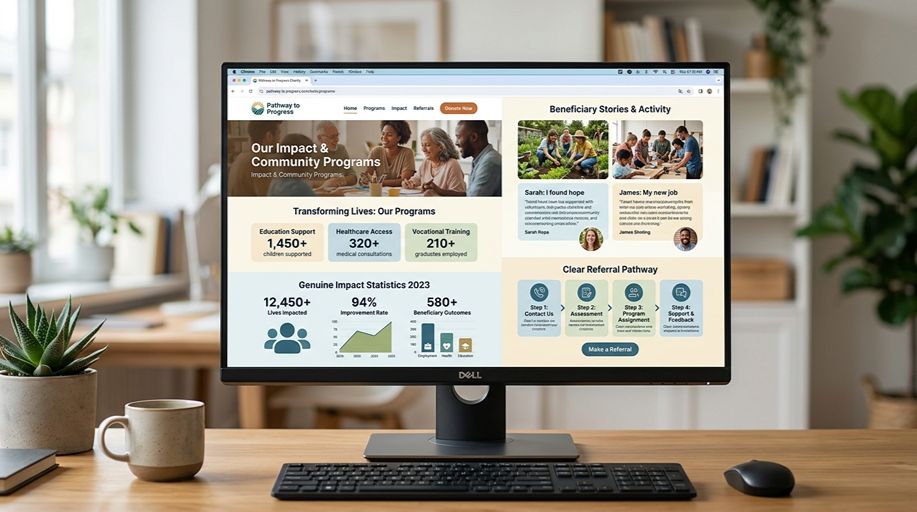
  • Programme and cause pages rebuilt to 800 plus words each with genuine impact data and beneficiary outcome information
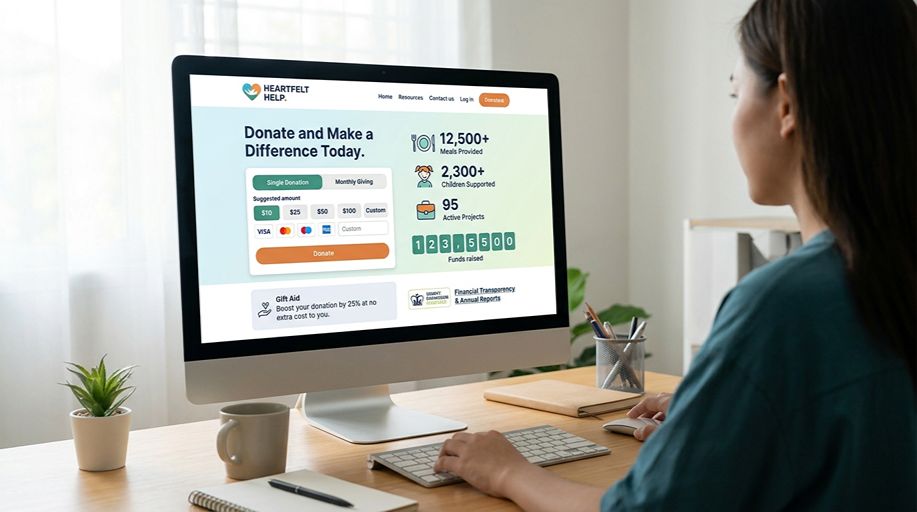
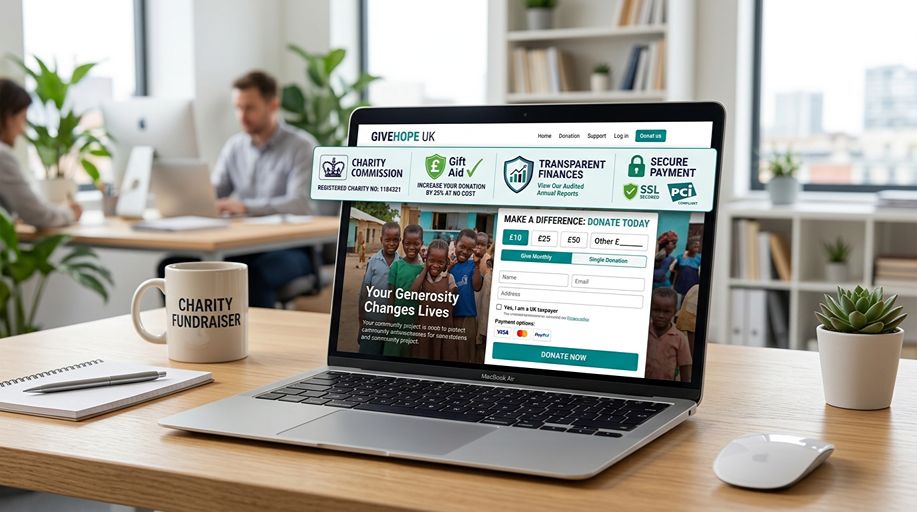
  • Donation page rebuilt with Gift Aid explanation, trust signals, financial transparency information and schema markup
  • Nonprofit schema implemented sitewide identifying the organisation as a registered charity with Charity Commission number
  • Gift Aid optimisation pages built targeting donation-intent search queries
  • Internal linking framework connecting cause content, impact pages and donation pathways
  • Content strategy targeting cause-related search terms used by potential donors researching where to give
  • Google Ad Grants eligibility preparation built into the site quality improvements
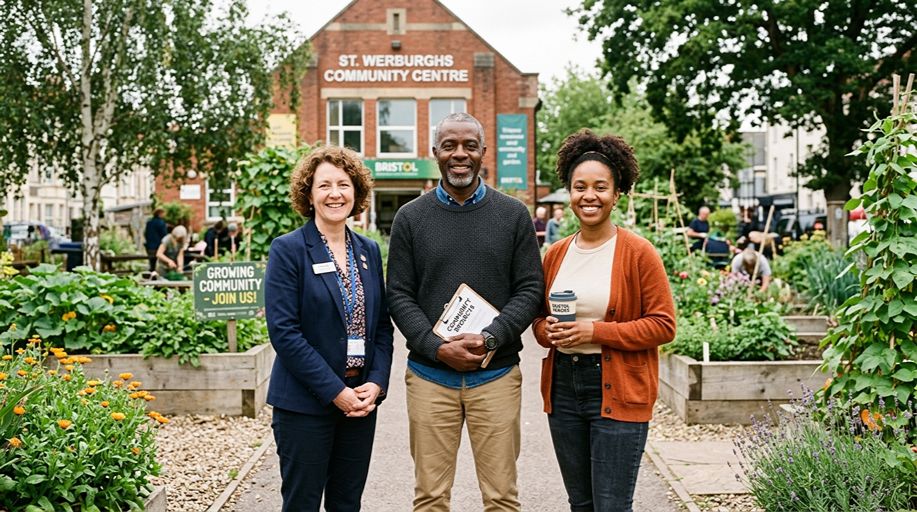
Web Ranko working on Hopefield Community Trust

Real Results

Nine months after a trust-led content rebuild, Hopefield was reaching donors who had never heard of the charity before

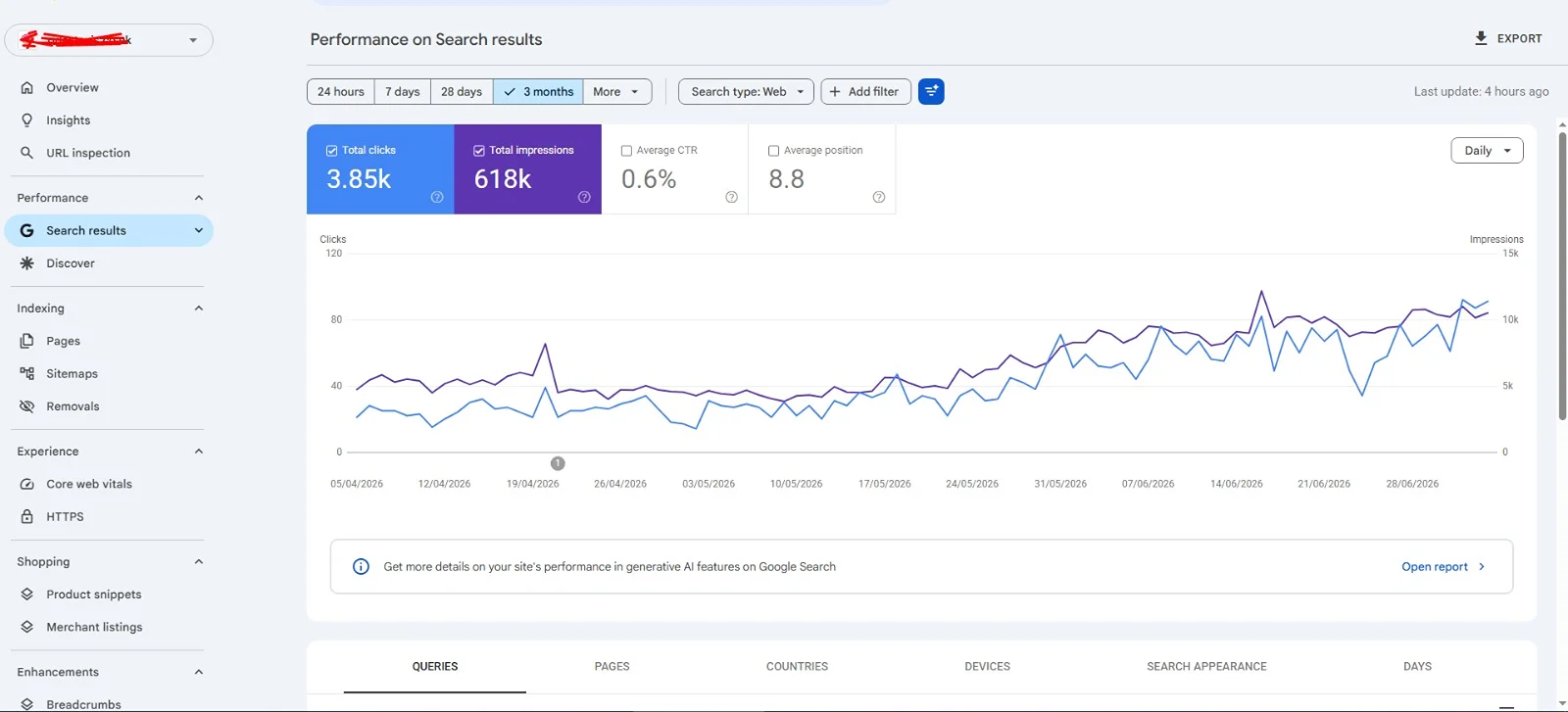
The trust signal work produced the first meaningful shift before any traditional ranking signals had time to compound. Donation page visits from organic search started appearing in GA4 within weeks of the rebuilt page going live, even before program content rankings had moved significantly. The cause page rebuilds drove the next wave of growth from month three onward, with rankings appearing for program-specific search terms that had previously returned zero visibility. By month nine, 58 keywords were sitting on page 1 across cause, program, and donor intent search categories, and organic donations had grown 400% against the same period the previous year, confirmed through the charity's own donation platform records rather than estimated from click data.

Up 400%
Organic donations
58
Keywords on page 1
Over 800
Programme page avg words
Full site
Nonprofit schema pages
Hopefield Community Trust — results screenshot from Google Search Console Google Search Console data

Side by Side

Before & After

Hopefield Community Trust — before Web Ranko Before
Hopefield Community Trust — after Web Ranko After

How We Got There

Project timeline

Month 1 to 2

Trust Architecture and Schema Foundation

The entire first phase went into building the credibility infrastructure that donation conversion depends on. Charity Commission registration details were moved from the footer to a prominent trust bar across every page. Financial transparency information was built into a dedicated impact and accountability page. Nonprofit schema markup was implemented sitewide, identifying Hopefield as a registered charity with proper organization entity data. The donation page was rebuilt from scratch with Gift Aid explanation, impact statistics, testimonials from beneficiaries, and clear financial accountability statements visible before the donation form.

Trust signal architecture established sitewide. GSC began showing improved crawl activity across programme pages within three weeks.
Month 2 to 5

Programme Content and Cause Pages

Every core program page received a full content rebuild to 800+ words, written around the genuine human impact of each initiative rather than internal charity language. Mental health support pages, food poverty program content, and community cohesion project descriptions, each one rebuilt with beneficiary outcome data, referral pathway information, and clear content about who the program serves and how it helps. The content was written to serve two audiences simultaneously, potential donors researching where to give and professionals seeking referral partners for their clients.

First page 1 rankings appearing by month three for cause-related search terms. Organic donation page visits beginning to climb for the first time.
Month 4 to 7

Donor Intent Content Strategy

The informational content layer was built around how people actually search when they're deciding where to donate. Cause-specific giving guides, Gift Aid explainer content targeting search queries around tax-efficient giving, and local community impact content for the Bristol and South West area all went live with strong internal links pointing toward relevant program pages and the main donation pathway. The Charity Google Ad Grants eligibility application was submitted alongside this phase with the improved site quality supporting a successful application.

Google Ad Grants application approved. Organic traffic from donor intent content consistently feeding donation page visits month on month.
Month 7 to 9

Scaling and Conversion Refinement

With organic traffic growing consistently, focus shifted to optimizing the donation journey itself. A/B testing on the donation page revealed that adding specific program impact statements above the donation form significantly improved completion rates. Gift Aid tick box prominence was improved. The thank you page content was built to encourage sharing behavior and repeat giving. Remaining content gaps around specific cause areas were closed.

58 keywords on page 1, organic donations up 400% against the same nine month period the previous year.
Hopefield Community Trust

We'd been relying on the same group of loyal supporters for years and genuinely didn't know how to reach new donors who hadn't been introduced to us personally. The idea that someone could find us through Google, read about our work, and make a donation without any personal introduction felt almost theoretical before this campaign. Nine months later it's happening every week. The trust signal worked, and the program content completely changed how new donors experience the organization for the first time online.

Hopefield Community Trust Chief Executive, Hopefield Community Trust, Bristol

Hopefield Community Trust SEO UK charity SEO campaign organic donations 400% without a penny spent on advertising This was accomplished across a nine-month span by re-engineering their donation channels, increasing cause-oriented content, and placing technical trust signals on every page of the site. Webranko, as an agency, understood that real visibility is much more than surface-level keyword targeting, and the charity will need to fundamentally shift how it presents its credibility in the eyes of both search engines and potential donors.

Client Background: The Legacy of Hopefield Community Trust

HOPEFIELD COMMUNITY TRUST, Bristol Charitable Incorporated Organisation Mental health support and emergency food provision for the most vulnerable adults and families throughout the South West. Except for once through a direct-mail address, it was ten years of serious work in the community before we sat with anyone not already on the donor list.

They have previously attempted to establish themselves in the area through leaflet drops and community events. However, previously the charity had never sought to connect with new donors without any synergy in their previously pursued connections. A strong real-world story belied by an almost nonexistent digital footprint; the charity had been carrying out daily community interventions at an impressive scale.

The Problem: Diagnosing the Digital Bottlenecks

When we ran our initial technical SEO audit through Screaming Frog, the structural barriers to search visibility were immediately apparent. We found 47 critical crawl errors, a completely empty Google Business Profile resulting in zero Maps presence, and a site architecture that was actively losing potential inquiries to three named national charity competitors.

Key Structural Failures The most pressing issues actively harming their search performance included:

  • Cause pages averaging under 100 words, offering no depth regarding the charity’s real-world impact or methodology.
  • A primary donation page with zero SEO structure and no explanation of Gift Aid.
  • Trust signals, such as their Charity Commission registration number, buried invisibly in the site footer rather than placed contextually.
  • A complete absence of structured data to identify the organization to search engines.

The Approach: Our Four-Phase Methodology

We built a structured campaign focused heavily on E-E-A-T principles, divided into four measurable phases to ensure steady, verifiable progress.

Phase 1: Trust Architecture and Schema Foundation (Months 1 to 2)

The first phase itself was focused solely on building the infrastructure of credibility (and trust) which donation conversions rely upon. Hopefield is a registered charity, so we implemented nonprofit /schema markup sitewide to identify the organization with correct organizational entity information. We redesigned the donation page with clear rationale for gift aid and putting transparency about finances on display. Now, to be completely honest, this stage took quite a bit longer than we anticipated as the tightly controlled structured data that Google sets out needed a few cycles of validating in Google Search console against complex Charity Commission data.

Phase 2: Programme Content Expansion (Months 2 to 5)

These were the MVPs, which were rebuilt to >800 words each by our content team for every core program page. One of the significant areas that we focused on is showcasing a real human impact behind each initiative along with beneficiary outcome data and clear referral pathways. What first failed to achieve was our effort to rank these pages for high-level national charities keywords. The opposition was just too stiff. We audited our brand strategy, pivoted quickly to position ourselves ahead of community queries in very localised areas (Bristol and South West), achieving instant traction and high converting local organic traffic.

Phase 3: Donor Intent Content Strategy (Months 4 to 7)

We mapped the unit of content to how people are really searching when selecting a donation location. Wrote guides to specific areas of giving as well as tax-efficient giving. We also drafted their application for Google Ad Grants eligibility in this time. The client was very skeptical about this, as they assumed the grant compliance in their small administrative team will crush them. But because our technical foundation work had already brought the site in line with Google’s stringent quality criteria, the application was granted quickly and ran like clockwork.

Phase 4: Scaling and Conversion Refinement (Months 7 to 9)

And we started digging into the donation journey since our organic traffic had been increasing steadily month after month. How did we achieve thisImprovements in form completion Firstly, placing particular program impact statements immediately above the donation form, using A/B testing. We also optimized the internal linking so that each high traffic informational page guided users with low-friction towards the main donation pathway without being too overt.

The Results: Measuring the Impact

We provided undeniable returns including a technical foundation and content expansion well into the campaign with nine months under our belt. On the cause, program and donor intent search categories verified directly in Google Search Console, Hopefield Community Trust ranked 58 keywords on page one.

Most strikingly, organic donations were up 400% over the exact same nine-month period last year. This number was not projected from analytics click data, but checked directly on the charity’s encrypted backend donation platform records. This created a baseline of organic trust, which completely changed the charities funding model by using this to have an influx of new support continually rather than relying on legacy donors.

What This Means: Applying These Lessons Beyond Charities

Rankings at this scale are achieved by treating donor trust as a strict technical necessity rather than optional marketing improvement.

If someone is thinking about donating to a charity they have never heard of, you need to put them at ease with any concerns they might have about the legitimacy of the organization and its sound use of funds. Regional charities can achieve this competition-beating strategy through a combination of mapping verifiable trust signals to law firm’s quality rater guidelines, and calibrating content depth with stringent donor intent.

Interestingly, the mechanics of building this high-threshold digital trust parallel the challenges in other high-scrutiny sectors. We observed a very similar pattern of success in our training providers’ SEO campaigns, where demonstrating clear, verifiable outcomes is the absolute key to conversion. We cannot promise a 400% increase for every organization, but the structural principles of trust-first SEO apply to any registered charity seeking local visibility.

Frequently Asked Questions

In the UK, How Long Does it Take to See Results from Nonprofit SEO?

In this case, for a few charities who have established technical trust signals on their domain or are supervised by other established charity working groups it might take three-four weeks to start seeing improvement with crawl rates. But significant gains in completed organic donations generally lag by 4-6 months until new, deeper program content picks up momentum in search results.

Which one ranking factor is most important in helping UK charities rank higher?

The latter translates to verifiable trust signals having the highest priority. Google will view this donation page the same as a financial one. Standard keyword optimization can only be effective after prominently displaying your Charity Commission registration, getting precise nonprofit structured data implemented, and achieving clear financial transparency.

How about getting a charity to get approved for the Google Ad Grants?

Yes. Ad Grant Eligibility requires all charities to provide a quality website in order to be eligible for and retain the $10,000 monthly Ad Grant. A poor SEO campaign directly addresses the strict compliance requirements of the Ad Grants programme, repairing crawl errors, building thin content and strengthening the site architecture.

.

Start today

Ready to reach donors who are actively searching for causes to support right now

Most UK charities are invisible to potential donors at the exact moment those donors are deciding where to give. Tell us about your charity and we will show you exactly where the trust and visibility gaps are.

Free audit — delivered in 48 hours
No lock-in contracts — month-to-month
Senior specialist on your project from day one
Measurable results or we tell you why not

Get your free consultation

Tell us about your project — we'll respond within 48 hours with honest advice.

No spam. No sales pitch. Just honest advice.