

Harwick Motor Group had dabbled in SEO before, giving it a few months and then walking away when nothing moved. The management team had concluded that organic search simply did not work for used car sales. It was a plausible conclusion. It was also completely wrong.
When they came on board, every single enquiry the business received came through paid advertising: Google Ads, Facebook Ads and AutoTrader. Switch any of it off and the phone went quiet almost immediately. That is not a marketing strategy, it is a dependency, and it is an expensive one.
This case study covers what happened when we diagnosed the actual problem properly instead of simply producing more content.
The Real Problem Was Never the Keywords
Vehicle Listing Pages Were Invisible and Nobody Had Noticed
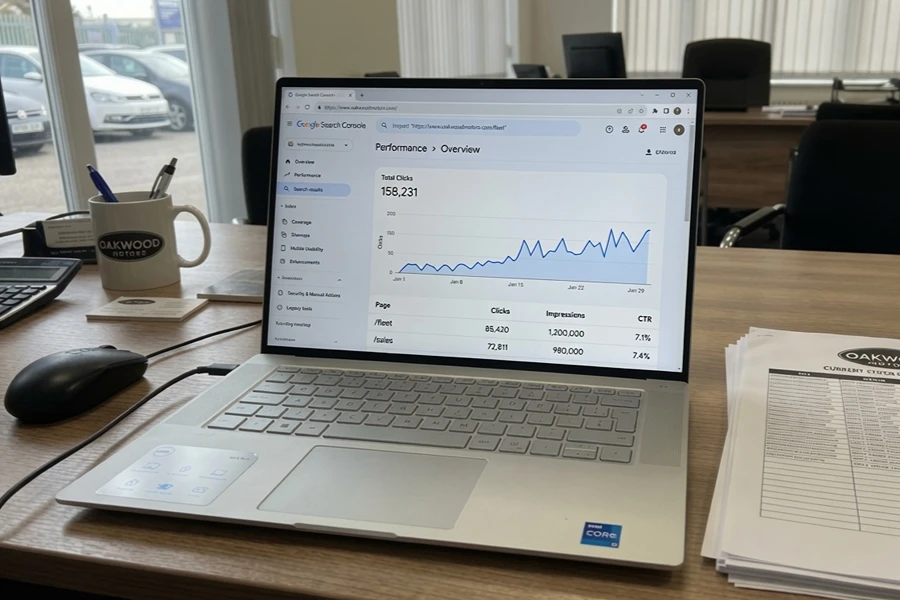
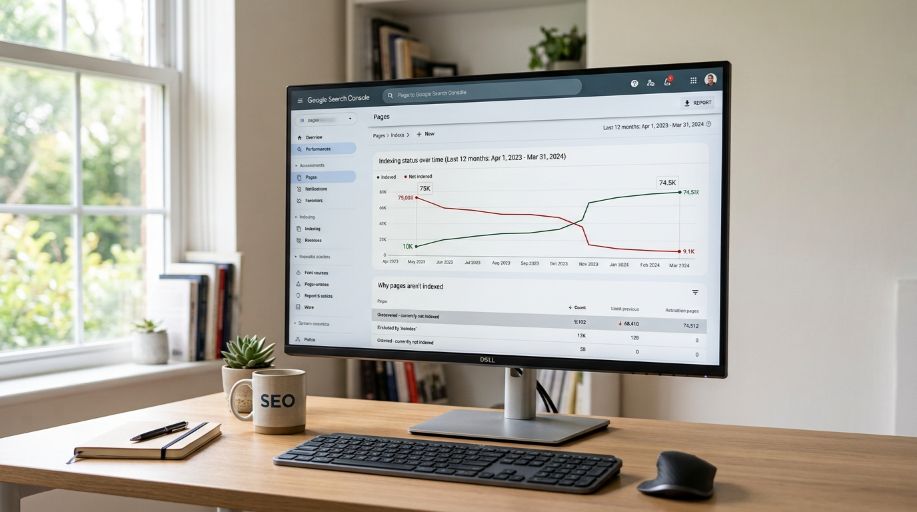
The first thing we examined was the Google Search Console data. Hundreds of vehicle listing pages were sitting in the “discovered, currently not indexed” report. Google had found the pages, crawled them briefly, and decided not to index them properly. There are several reasons that happens, and thin content combined with missing structured data sits at the top of the list.
Not a single listing page had vehicle schema on it. No make, no model, no year, no mileage, no price, no availability, nothing. To a search engine, there was no meaningful difference between a three year old Ford Focus and a seven year old Transit van. Both looked the same: a few hundred words of generic used car copy with some photographs attached. Without schema, Google was effectively guessing what each page was selling.
The GSC Numbers Told the Story Clearly
| Metric | Finding |
|---|---|
| Listing pages index status | Hundreds discovered but not indexed |
| Vehicle impression data (non-branded queries) | Essentially zero |
| Automotive local pack appearances | Branded searches only |
| Rankings for commercial automotive terms | None |
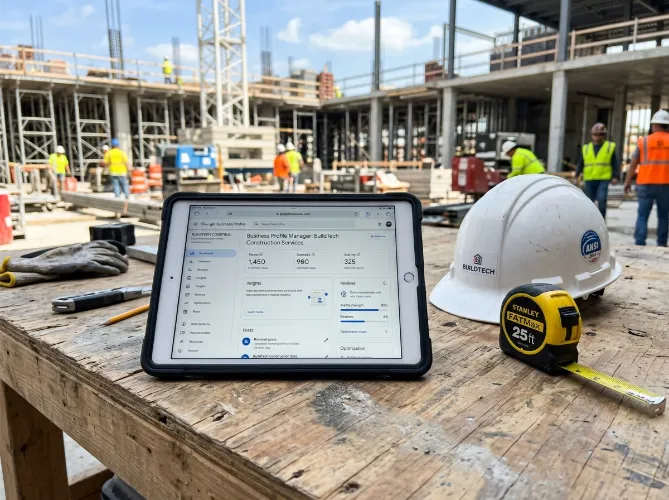
| Google Business Profile completeness | Roughly 30% against what Google expects |
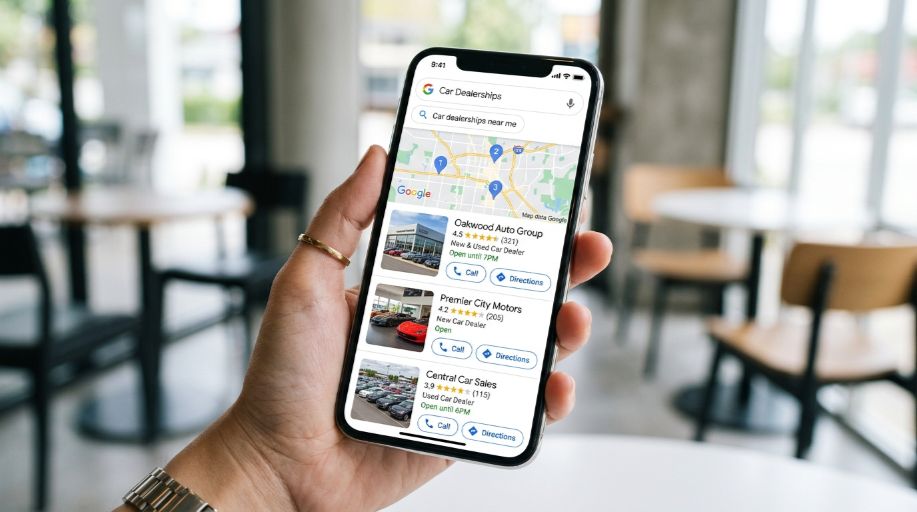
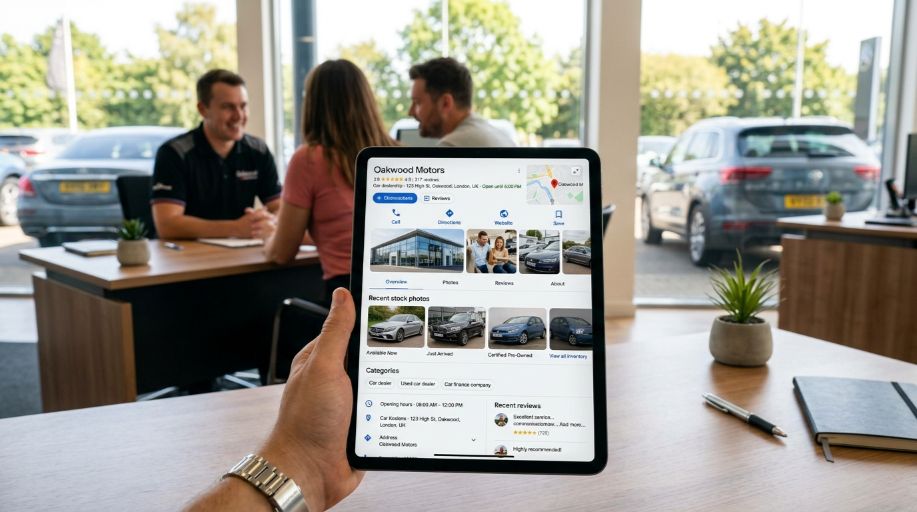
The Google Business Profile situation was almost as bad. A name, a phone number, barely any photographs, and categories that had never been set up properly for an automotive business. Two nearby competitors had clearly made the effort, and they were sitting in the top three map pack positions for every relevant local search. Harwick did not appear at all.
Fixing the Foundation First
Schema Was Not Optional in This Niche, It Was the Starting Point
The first priority was vehicle listing schema across the entire stock catalogue. Every active listing needed structured data covering make, model, year, mileage, price, availability and body type. That part was straightforward. The part that required more thought was making it sustainable.
A used car catalogue changes constantly. A vehicle listed today might sell within three days, and stock is replenished weekly. If schema has to be added manually to every listing, it stops happening consistently within a month. So we built schema generation directly into the listing process. Every new vehicle arrived on the site with complete structured data already attached, which is the only way this kind of setup survives past the first few weeks.
We addressed the crawl budget problem at the same time. The stock search function was generating sorting and filtering parameters that created hundreds of URL variations that should never have been indexed. Canonical tags and adjusted robots.txt rules meant Google spent its crawl budget on genuine listing pages rather than duplicate filter combinations.
The Local Work Ran in Parallel
Twelve Service Area Pages Built Around Real Search Behaviour
People do not only search for used cars on their own street. Most buyers will happily travel twenty to thirty miles for the right dealership, and further still for a specific make or price point. Harwick was targeting Leicester and nothing else, which left a substantial keyword universe completely untouched.
We built service area pages for twelve surrounding areas, each written around how people in that area actually search for used cars rather than templated copy with the place name swapped in. Someone searching for used cars in Loughborough has different intent to someone searching in Hinckley, and the pages reflected that.
The Google Business Profile rebuild ran alongside this. Correct automotive categories were applied, service descriptions were written properly, and stock photography started going up weekly. We also introduced a post purchase review request process. Reviews grew from five to over forty across the campaign, and every one of them received a personal reply from the dealership owner.
Building the Category Architecture
Internal Linking and Category Pages That Matched Search Intent
A local campaign cannot be carried by individual listing pages alone. Category pages covering specific makes, body types and price ranges are where commercial search traffic actually lands. Harwick’s category pages were thin and had never been built around any real keyword strategy.
Every category page went through full on-page SEO, restructured around how buyers search at different stages of the decision. Someone looking for used SUVs in Leicester under £10k is at a different point in the journey to someone looking for a Ford Focus automatic in Leicester, and each needs its own targeted page. The internal linking structure was rebuilt to connect category architecture down to relevant individual listings, so authority flowed through the site properly rather than leaving listing pages stranded.
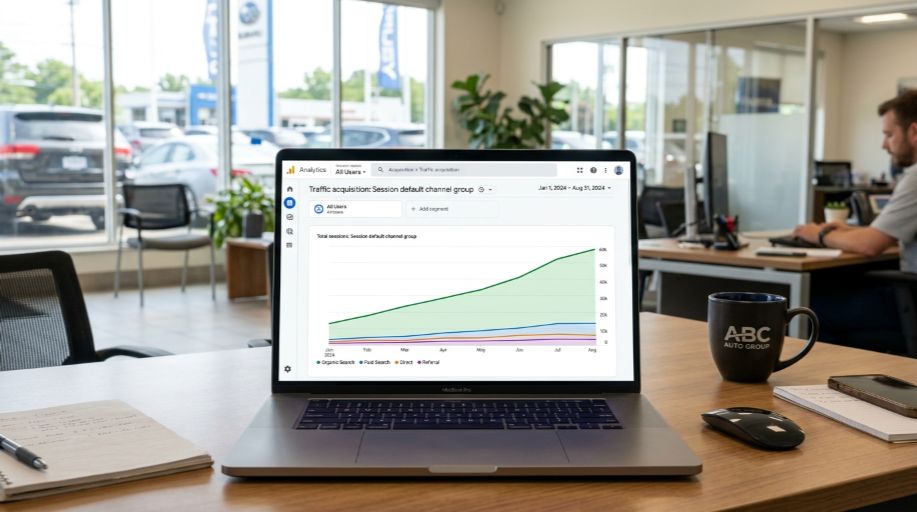
Organic traffic started gaining momentum around month four. By month six, organic was generating more enquiries than paid advertising had at its peak.
Eight Months Later
Numbers From GA4 and the Dealership’s Own Booking System
| Metric | Before | After 8 Months |
|---|---|---|
| Organic traffic | Baseline | Up 3x |
| Test drive bookings (organic) | Near zero | Up 67% |
| Automotive local pack | Not ranking | Top 3 |
| Service area keywords on page 1 | Zero | 28 |
| Google Business Profile completeness | Roughly 30% | Fully optimised |
The test drive booking figures came directly from the dealership’s own booking system, not estimated from click data. These were actual bookings where the customer confirmed they had found the dealership through Google search. That 67% growth represents real people who turned up for a test drive because an organic search result sent them there.
The business still runs paid advertising. The difference now is that paid is a choice rather than the only option. We have seen this pattern before, including in our restaurant SEO case study, where fixing the technical foundation changed the economics of the entire marketing operation. The mechanism differs by industry. The outcome is the same. Get the foundations right and organic stops being the channel that “doesn’t work for your industry” and starts being the one that performs best.