

In-Depth Guide
The Complete Guide to SEO Services
Our specialists have written a comprehensive guide covering strategy, best practices, and the exact approaches we use for our clients.
The Search Landscape Has Already Changed
Something significant happened to search without most UK businesses noticing it in time.
The people who donot use aeo service used to scroll through 10 blue links to find the best answer are increasingly not doing so. They are asking ChatGPT. They are querying Perplexity. They are seeing a fully formed AI-generated response at the top of Google before the first organic result appears. And in all three cases, the answer they receive either mentions your business or it does not.
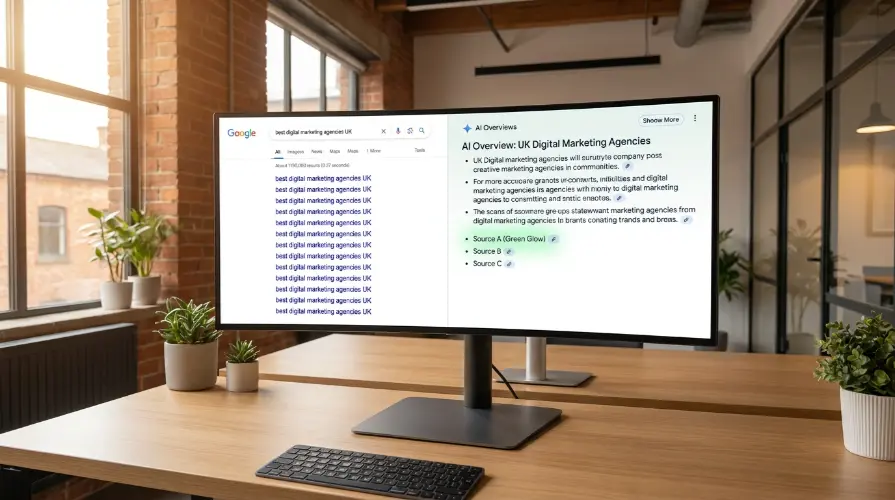
That is the new commercial reality of search in 2026. Ranking on page one of Google still matters. But appearing inside the AI-generated answer that sits above those results, or being cited as a source inside ChatGPT or Perplexity when someone asks about your market, matters just as much and in some search contexts considerably more.
Answer engine optimisation is the discipline of making your business the one the AI cites. Webranko is the AEO agency UK businesses come to when they are ready to stop being invisible in AI search.
AEO vs SEO — Understanding the Distinction
What AEO Actually Means
Answer engine optimization is the practice of structuring your content, your brand signals, and your entity presence so that AI systems recognize your business as a credible, citable source when generating answers to queries in your market.
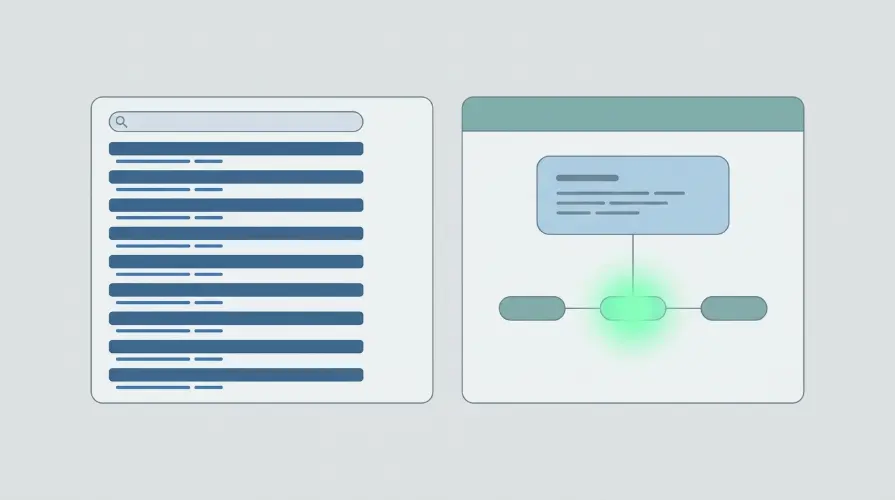
It is not the same as traditional SEO. Traditional SEO optimises for position on a ranked results page. AEO optimises for citations inside an answer that may never show a ranked list at all. The ranking signals that determine one are related to but distinct from the signals that determine the other, and treating them as the same thing is the most common mistake UK businesses make when they first encounter the concept.
A page can rank position one organically and never get cited in Google AI Overviews. A page that ranks in position seven can be cited consistently if it is structured in a way that makes its content easy for an AI system to extract, attribute, and present as part of a synthesised answer. Understanding that distinction is the starting point for any serious AEO strategy.
How AI Systems Decide What to Cite
Different AI systems use different methodologies, but the underlying principles of what makes a source citable are consistent across ChatGPT, Perplexity and Google AI Overviews.
Credibility signals matter enormously. An AI system evaluating sources for a generated answer assesses whether a source is trustworthy, authoritative, and clearly attributed. That means your brand needs a clear, consistent entity presence across the web. Your content needs to demonstrate genuine expertise and first-hand knowledge. Your business needs to be associated with AI knowledge systems with the specific topics it wants to be cited for.
Structural clarity matters too. AI systems extract information from content that is clearly structured and directly answers questions. Content that buries its key points in long paragraphs, hedges rather than states, and does not directly address the query a user is likely to ask is consistently passed over in favour of content that answers clearly and can be attributed reliably.
The Zero-Click Search Problem UK Businesses Face
Zero-click search is not a new concept, but AI-generated answers have dramatically accelerated it. When Google AI Overviews answer a query completely within the search results page, a significant proportion of users never click through to any source at all. They got their answer. They moved on.
For businesses whose organic strategy depends on click-through from search results, this creates a real commercial problem. Traffic from traditionally high-performing informational queries is declining. The way to remain commercially visible in those searches is not to fight the AI answer but to be inside it. Being cited in a Google AI Overviews response, even one that does not drive a click, places your brand name in front of the user at the highest possible moment of attention. That brand impression has commercial value even without a click attached.
Google AI Overviews Optimization UK
How Google AI Overviews Selects Its Sources
Google AI Overviews does not simply pull from the top organic results for a query. It synthesises information from multiple sources and assigns citations based on a combination of factors that differ meaningfully from those that determine organic ranking position.
Content that gets cited in Google AI Overviews tends to share specific characteristics. It answers the query directly and early, rather than building up to it through a long introduction. It uses clear, declarative statements that can be extracted and attributed without losing their meaning. It demonstrates E-E-A-T signals, including specific experience, named authors or organizations, cited data points, and clear subject-matter expertise. And it is structured in a way that allows Google’s systems to identify and extract the most relevant portion of the content for the specific query.
Optimising for Google AI Overviews citations requires all those elements to work together across your priority content. It is not a single change. It is a structural approach to how your content is written and presented.
What We Change to Get You Cited
Webranko’s Google AI Overviews optimisation work covers several interconnected elements that together determine whether your content gets cited or skipped.
We audit your highest-value content pages against the specific queries you want to appear in AI Overviews for. We identify where your content structure is preventing clean extraction, where your entity signals are weak or inconsistent, and where competitor content is being cited instead of yours because it is more directly and clearly structured around the query intent.
We restructure content to lead with direct, attributable answers. We implement question-and-answer content formats that map to the specific natural-language queries AI systems are most likely to process. We strengthen your entity associations across the web, so AI systems have consistent, reliable signals about who your business is and what it is authoritative on. And we build the schema and structured data foundation that makes your content easier for AI systems to process and attribute correctly.
ChatGPT Citation Optimization UK
How ChatGPT Decides What Sources to Reference
ChatGPT’s knowledge comes from two sources depending on which version a user is accessing. Its training data, which reflects the web up to a certain point, and its browsing capability, which allows it to pull current information from the live web when enabled.
For businesses wanting to appear in ChatGPT responses, both matter. Your brand needs to have a strong enough presence in the web content that informed ChatGPT’s training so that it is associated with relevant topics in its base knowledge. And your published content needs to be structured clearly enough that when ChatGPT browses for current information, it can extract and attribute your business as a credible source.
The principle that governs both is entity clarity. ChatGPT needs to know what your business is, what it does, where it operates, and what it is authoritative on. Those associations need to be consistent and clear across every web presence your business has, from your own site to third-party mentions, directory listings, press coverage and industry publications.
Getting Your Business Into ChatGPT Responses
Building a presence inside ChatGPT responses is not a technical optimisation task in the conventional sense. It is a brand-authority and entity-building exercise conducted across the full scope of your web presence.
Webranko’s ChatGPT citation optimisation work covers your entity presence across Wikipedia and Wikidata, where applicable; your Google Knowledge Panel accuracy and completeness; your brand mentions and citations in authoritative industry publications; your structured data implementation; and the consistency of your business information across every indexed web presence.
We also work on the content layer. Creating clearly authored, expertly attributed content that directly addresses the questions your target audience asks ChatGPT in your market. Content that is structured for attribution, that demonstrates genuine first-hand expertise and that covers your subject area with the kind of depth that AI systems recognise as genuinely authoritative.
Perplexity SEO UK — The Platform Most UK Agencies Are Ignoring
Why Perplexity Matters for UK Businesses
Perplexity has grown significantly as an AI search platform, and its citation model is in some ways more transparent than either Google AI Overviews or ChatGPT. When Perplexity generates an answer, it shows its sources explicitly and links to them directly. That makes citation in Perplexity both more visible and more commercially valuable than citation in AI systems that do not consistently surface their sources.
Perplexity draws heavily on well-structured, clearly attributed web content. It has a strong bias toward content that directly answers questions, is clearly associated with a named entity, and demonstrates the kind of subject-matter specificity that distinguishes genuine expertise from generic information.
UK businesses that optimize for Perplexity citations alongside Google AI Overviews and ChatGPT build a presence across the full spectrum of AI search that their competitors are almost certainly not addressing yet. That gap will not last. The businesses that establish strong AI citation presences now will be far harder to displace when the market catches up.
What Perplexity Optimization Involves
Getting cited in Perplexity requires the same structural content principles that underpin all AEO work—clear, direct answers to specific questions. Strong entity signals. Genuine subject matter expertise demonstrated through specific data, named experience and attributable claims.
Beyond the content layer, Perplexity responds particularly well to genuinely unique content: original research, proprietary data, specific case studies, and first-hand experience that cannot be found in the same form anywhere else. If your content says the same things as every other source in your market, Perplexity has no reason to cite you over a more established competitor. If your content contributes something genuinely unique to the subject, citation becomes significantly more likely.
Generative Engine Optimization UK — The GEO Framework
What GEO Means and How It Differs From AEO
Generative Engine Optimisation, commonly referred to as GEO, is the broader strategic framework of which AEO is one component. While AEO focuses specifically on getting cited within AI-generated answers, GEO covers the full range of strategic decisions that determine how your brand, your content, and your business presence perform across the generative AI ecosystem.
GEO includes your entity presence across the knowledge graph, your brand authority signals across authoritative publications, your structured data implementation, your content architecture as it relates to AI extractability, and your overall digital footprint as AI systems perceive and process it.
Webranko approaches AEO within a GEO framework because optimising for citation in a single AI system, without addressing the underlying entity and authority signals that all AI systems share, produces inconsistent and often short-lived results. The foundation needs to be right for any individual platform optimisation to hold.
Entity Authority and the Knowledge Graph
Your entity’s presence in Google’s Knowledge Graph is one of the most important signals that determine whether AI systems treat your business as a citable authority or an unknown source. The Knowledge Graph is Google’s structured understanding of entities and their relationships, and it underpins how Google AI Overviews in particular evaluate source credibility.
A strong Knowledge Graph entity presence means Google has clear, consistent, well-sourced information about your business, what it does, where it operates, who leads it, and what topics it is authoritative on. Building and maintaining that presence requires consistent, structured data; accurate and complete Google Business Profile information; mentions and citations in authoritative publications; and a coherent brand signal across every indexed web presence.
Most UK businesses have incomplete, inconsistent, or absent Knowledge Graph entity signals. That is one of the primary reasons they are not being cited in AI-generated answers despite having genuinely good content.
How Webranko Delivers AEO Services UK Businesses Can Measure
The AEO Audit
Every Webranko AEO engagement begins with a full assessment of your current AI search visibility. We query ChatGPT, Perplexity, and Google AI Overviews for the specific questions and topics your target audience searches in your market, and document which businesses are being cited, why they are being cited, and what your site currently lacks relative to those cited sources.
This audit gives us a precise picture of the gap between your current AI search presences. Where you need to be to appear in the answers consistently, your audience is already receiving. It also identifies the fastest path to citation based on what competitors are doing that you are not.
Entity and Brand Signal Optimization
We audit and strengthen your entity presence across every signal that AI systems use to evaluate source credibility. Your Knowledge Graph entity; your Google Business Profile; your structured data; your Wikipedia and Wikidata presence, where applicable; your brand mentions across authoritative UK publications; and the consistency of your business information across the full scope of your web presence.
This work is the foundation of everything else. Without strong, consistent entity signals, content optimisation for AI citation produces partial and unreliable results.
Content Restructuring for AI Extractability
We restructure your priority content pages for AI extractability without compromising their value for human readers or their existing organic performance. This involves rewriting introductions to lead with direct, attributable answers; implementing question-and-answer sections that map to natural language query patterns; adding specific data points and first-hand experience signals that AI systems weight as credibility indicators; and ensuring every key claim is clearly attributed to your business rather than presented as generic information.
Ongoing Citation Monitoring and Reporting
AI search is not static. The sources cited across ChatGPT, Perplexity, and Google AI Overviews change as content is updated, as entity signals evolve, and as the AI systems themselves are refined. Webranko monitors your citation frequency across all major AI platforms monthly, tracks competitor citation changes, and adjusts your AEO strategy in response to the patterns we observe.
Monthly reporting covers your citation frequency across each AI platform for your target queries, competitor citation comparisons, and the specific changes made during the reporting d period, along with their impact on citation rates.
What Our AEO Services Include
| Service Component | What It Delivers |
|---|---|
| AI search visibility audit | Baseline assessment of current citation status across ChatGPT, Perplexity and Google AI Overviews |
| Entity and KnowledgeGraph optimization | Consistent, authoritative entity signals across all indexed web presences |
| Content restructuring for AI extractability | Direct answer formats, question and answer architecture, attribution clarity |
| Structured data implementation | Schema markup that supports AI system processing and source evaluation |
| Brand authority building | Mentions and citations in UK publications that AI systems weight as credibility signals |
| GEO framework strategy | Full generative engine optimization strategy across the AI search ecosystem |
| Monthly citation monitoring | Tracking citation frequency across AI platforms with competitor benchmarking |
| Reporting and iteration | Plain English monthly reports with citation data and rolling strategy adjustments |
AEO vs SEO — Which One Does Your Business Need Right Now
The honest answer for most UK businesses is both, approached as complementary rather than competing priorities.
Traditional organic rankings still drive the majority of click-through traffic for most search queries. That will not change overnight, and a business that abandons its SEO strategy to focus entirely on AEO is making a premature bet on a shift that is still in progress.
What is changing is the proportion of searches that result in a click at all and the proportion of users who form a brand opinion based on an AI-generated answer before they ever visit a website. For businesses in markets where AI Overviews frequently appear for their target queries and for businesses where brand authority and trust are significant purchase factors, AEO delivers a commercial return that traditional ranking optimisation cannot replicate.
Webranko runs AEO and SEO strategies in parallel for clients where both are relevant, because the underlying authority signals that support AI citation and the content quality signals that support organic ranking reinforce each other when built on the same strategic foundation.
FAQ
What is answer engine optimisation, and how is it different from SEO?
Answer engine optimisation is the practice of structuring your content and brand signals so AI systems like ChatGPT, Perplexity, and Google AI Overviews cite your business inside their generated answers. Traditional SEO optimises for position on a ranked results page. AEO optimises for citation inside an AI answer that may never show a ranked list at all. The signals that determine one are related to but meaningfully different from the signals that determine the other.
How do I get my business cited in Google AI Overviews?
Google AI Overviews cite sources that answer the query directly, demonstrate clear subject-matter expertise, and have strong entity signals in the Knowledge Graph. Getting cited consistently requires content that leads with directly attributable answers, structured data that helps Google process and attribute your content correctly, and a consistent entity presence across your full web footprint. Generic content with no clear attribution or expertise signals is rarely cited regardless of its organic ranking position.
Can AEO help my business appear in ChatGPT responses?
Yes. Getting cited in ChatGPT responses requires a strong entity presence in the training and browsing data ChatGPT draws from, clearly structured content that directly addresses specific questions your audience asks, and consistent brand authority signals across authoritative web sources. Webranko’s ChatGPT citation optimisation work covers all of these elements across your site and your wider web presence.
What is generative engine optimisation, and is it the same as AEO?
Generative engine optimization is the broader strategic framework covering how your brand performs across the full AI search ecosystem. AEO is one component of GEO, focused specifically on citations within AI-generated answers. GEO also covers entity presence, knowledge graph signals, brand authority building and content architecture as they relate to how AI systems process and evaluate your business as a whole.
How do you measure the results of AEO?
We measure citation frequency across target queries on ChatGPT, Perplexity, and Google AI Overviews monthly and track how it changes relative to a baseline established at the start of the engagement. We also monitor changes in competitor citations to assess relative visibility shifts. AI citation measurement is less standardised than traditional ranking tracking, but the methodology we use provides consistent, comparable data across reporting periods.
Does AEO work better for some industries than others?
Yes. AEO delivers the strongest commercial returns in markets where AI overviews frequently appear for target queries, where trust and brand authority are significant purchase factors, and where buyers use AI systems to research options before contacting a provider. The professional services, financial services, healthcare, technology, and legal sectors in the UK tend to see strong AEO returns. We assess AI search presence for your specific market before recommending AEO as a priority investment.
AI search is not arriving. It is already here, and it is already shaping how your potential customers form opinions about your market before they ever reach your website. The businesses that establish strong citation presences now will hold a position that becomes exponentially harder to displace as AI search matures. Webranko builds that presence properly, from the entity foundation up, across every AI platform your audience is already using.